

Biocircular innovations in the furniture industry
Interview with Prof. Dr. Sascha Peters on bio-circular materials at the "Materials & Nature" Trend Forum during interzum 2025 in Cologne.
25 February 2025
The urgent need to tackle the climate crisis and establish a functional circular economy is currently driving innovation within the industry. Central to this shift is the development of a new understanding of materials and a commitment to responsibly managing the resources used. The Trend Forum Materials & Nature at interzum 2025 will showcase use cases in the interior design and furniture sector. We spoke with materials expert and curator of the forum, Prof. Sascha Peters, about the exhibits on display at the special exhibition area, and cutting-edge developments in the industry.
Prof. Peters, your materials agency, Haute Innovation, is curating the trend forum Materials & Nature at interzum 2025. What inspired the exhibition’s title, “Biocircular Materials”?
Sascha Peters: In response to the climate crisis, we are currently in the midst of a major transition towards a functional circular economy. A key factor here is the adoption of circular business models, particularly in the interior design industry. We believe that redesigning product groups and cultivating a new understanding of materials offers the greatest potential when it comes to furniture production. Companies must take responsibility for the resources they use and develop an economic rationale that upholds the integrity of the natural world.
What types of solutions will be on show at the special exhibition area?
As the furniture industry traditionally uses a large proportion of natural materials, but often combines them with synthetic ones, we will be showcasing different ways to utilise biocircular materials. These not only provide opportunities to significantly reduce CO2 emissions but also help to close product cycles. On top of that, they create a compelling case for businesses in the furniture and interior design sector that are interested in tapping into new product categories.
Which of the current developments with respect to biocircular materials do you find particularly exciting?
Be it plastic-free solutions for upholstered furniture, fast-growing fibre materials for lightweight construction solutions, or biodegradable, protein-based adhesives, the current range of innovations in this area is enormous. Material manufacturers are primarily utilising secondary materials from the agricultural sector and waste products from the food industry to develop their solutions. An adhesive made from chicken feathers, filling materials crafted from fruit kernels and 3D-printed furniture made of orange peel are just some of the exciting exhibits showcasing this trend at the trend forum.
To what extent can such materials drive innovation on the supplier side of the furniture and interior design sector?
Biofabrication is currently a major catalyst for innovation among suppliers to the furniture industry. This particularly exciting field involves harnessing the natural growth processes of living organisms to cultivate materials in the lab. With the groundwork having been set over the last decade, the first viable products are now entering the market. We will be displaying tables made from fungal mycelium that feature a linoleum surface, as well as leather substitutes derived from bacterial nanocellulose at the trend forum.
What does the use of such materials mean for product design? Is a completely new understanding of materials and aesthetics needed?
Biocircularity is contingent on the materials employed being left in their natural state, i.e., not coated in, or combined with, synthetic substances. New binders, paints and fibre-based materials have been developed that can be fed back into the loop and preserve nature’s nutrients. During the first phase of this major transformation, the redesigning of our product landscape will involve adopting a new perspective on aesthetics. This will also entail a shift in the way we evaluate quality, paving the way for changes in shine, colour and transparency over the product life cycle to be perceived as an asset.
What do you consider the biggest obstacles to the further adoption of circular business models in the realms of furniture manufacturing and interior design?
The biggest challenge will be to develop production processes for a new generation of biomaterials capable of competing with technologies that have been established for decades. But that’s always the case with disruptive innovation. Time will tell …
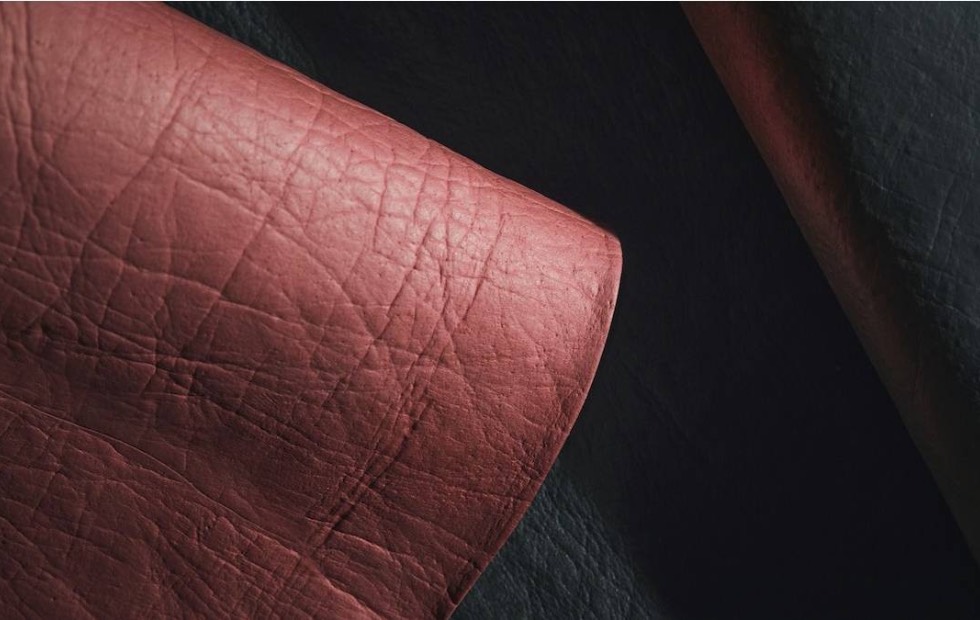
image (above): As a leather alternative, the MATTR™ material is made from algae and has a design that feels natural. (photo: Revoltech GmbH/Jan Schölzel)
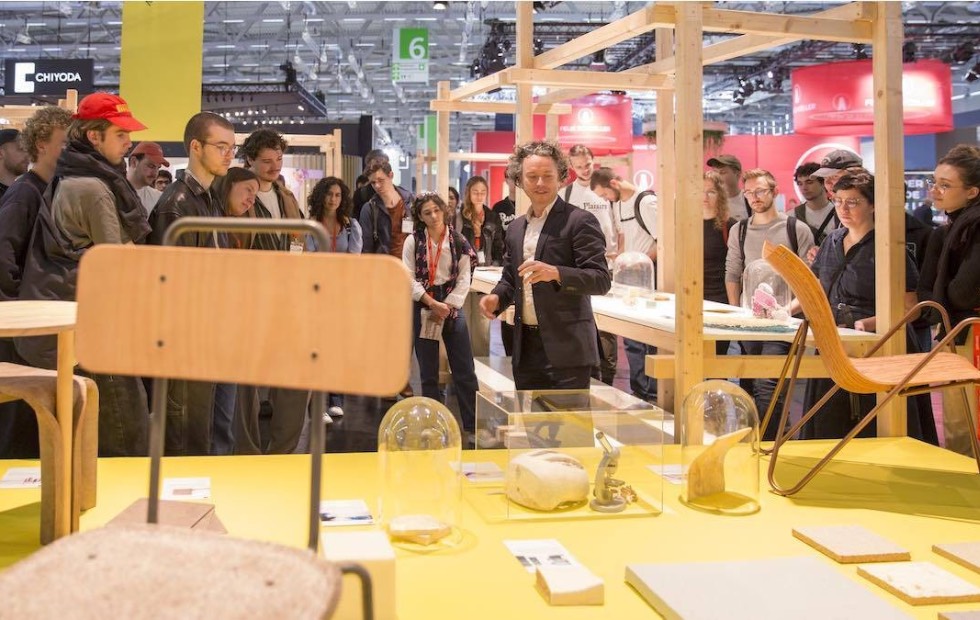
image (center): Prof. Dr. Sascha Peters at trend forum Materials & Nature während der interzum 2023. (photo: Koelnmesse GmbH)
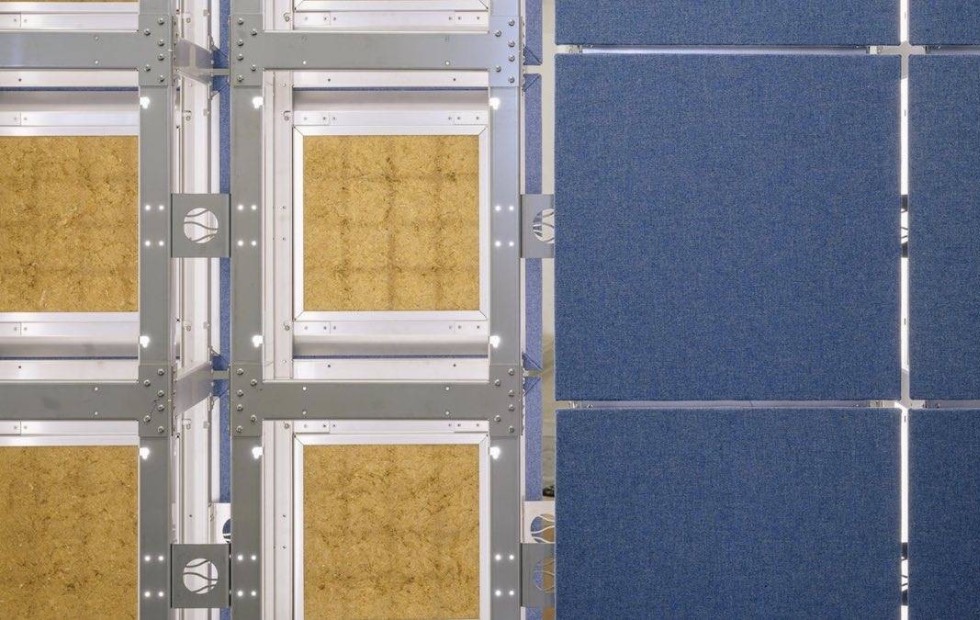
image (below): ABC Tiles are a series of acoustic tiles boasting an innovative, completely biodegradable byssus core made from mussel fibres. (photo: Seastex Ltd.)
BISYKA synthetic rubber
Fraunhofer researchers have succeeded in transferring the mechanical quality of…
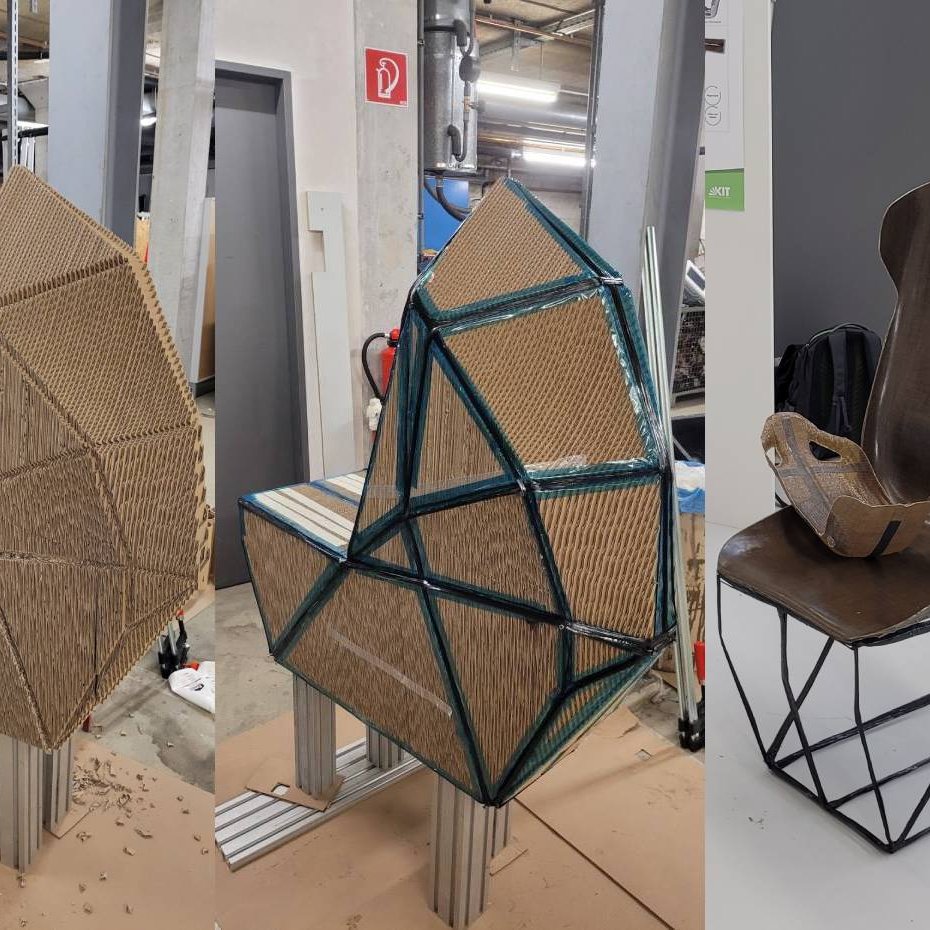
Natural fiber reinforced car seat
The focus of the project "Design for Recycling" is a seat shell that is made…
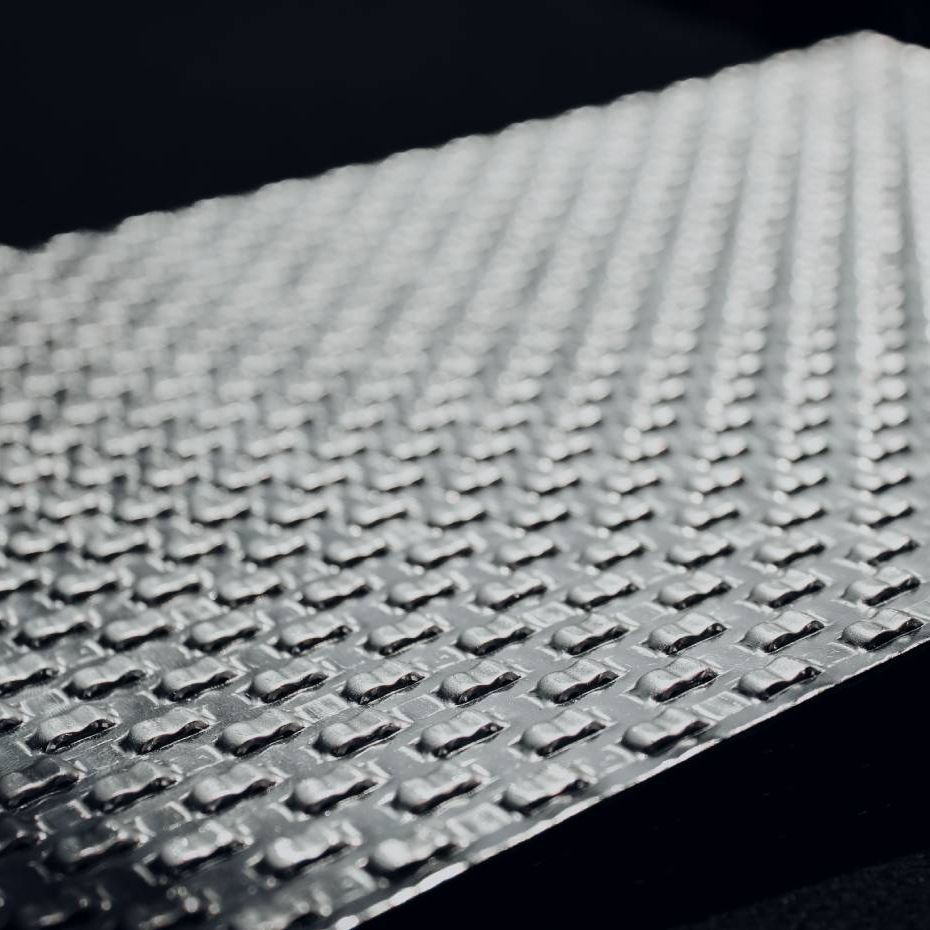
Absora micro-perforation material
Absora has developed a micro-perforated sheet-metal metamaterial that absorbs…
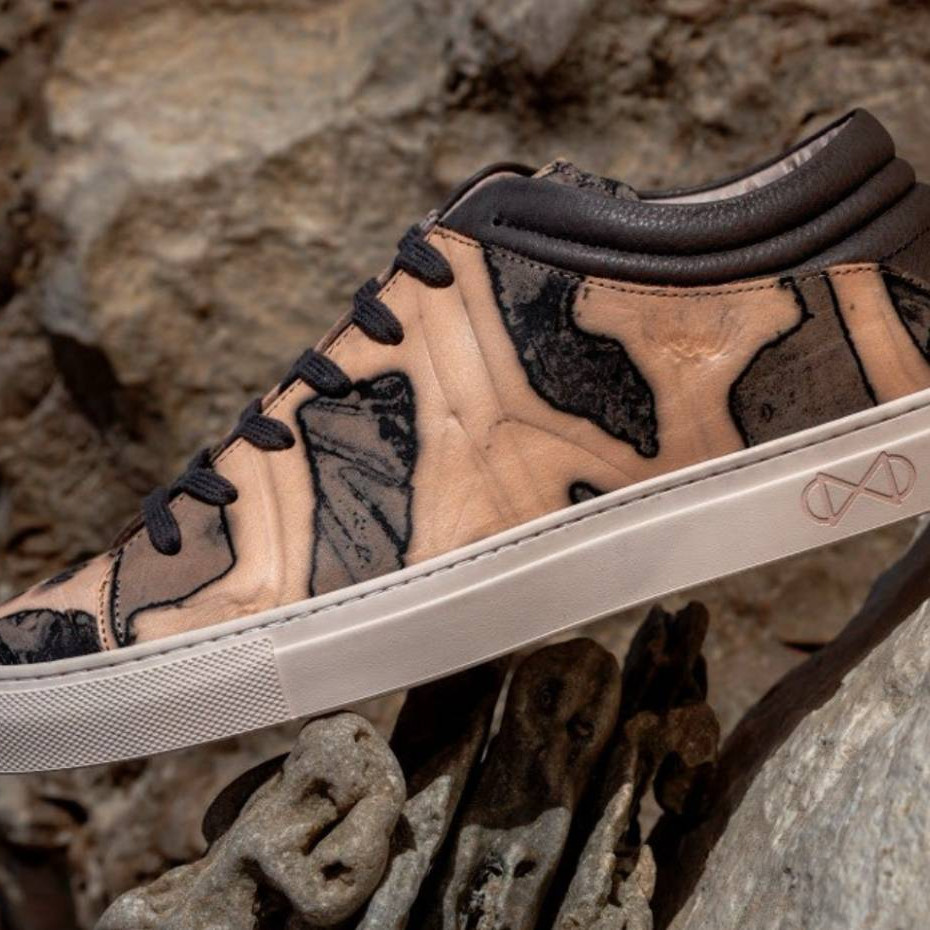
Rusted Leather
Munich based high end footwear brand nat-2 and designer Talia Luvaton present a…
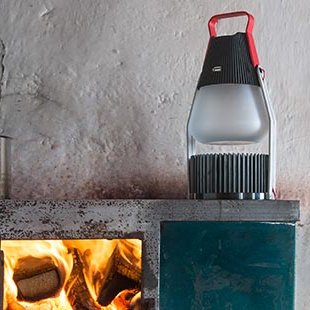
IGNIS – Light from waste heat energy
The availability of affordable, independent and, above all, clean electrical…
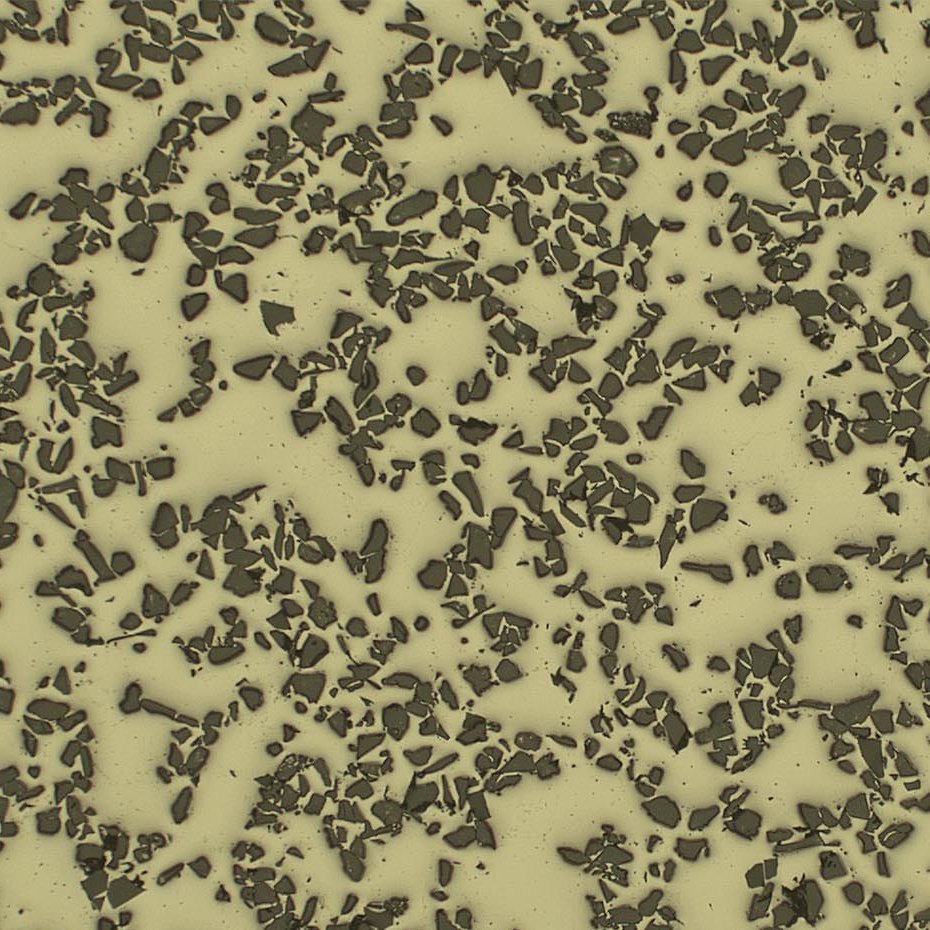
Brake disc with reduced fine dust
Fine dust endangers our health. One of the main sources is traffic, especially…
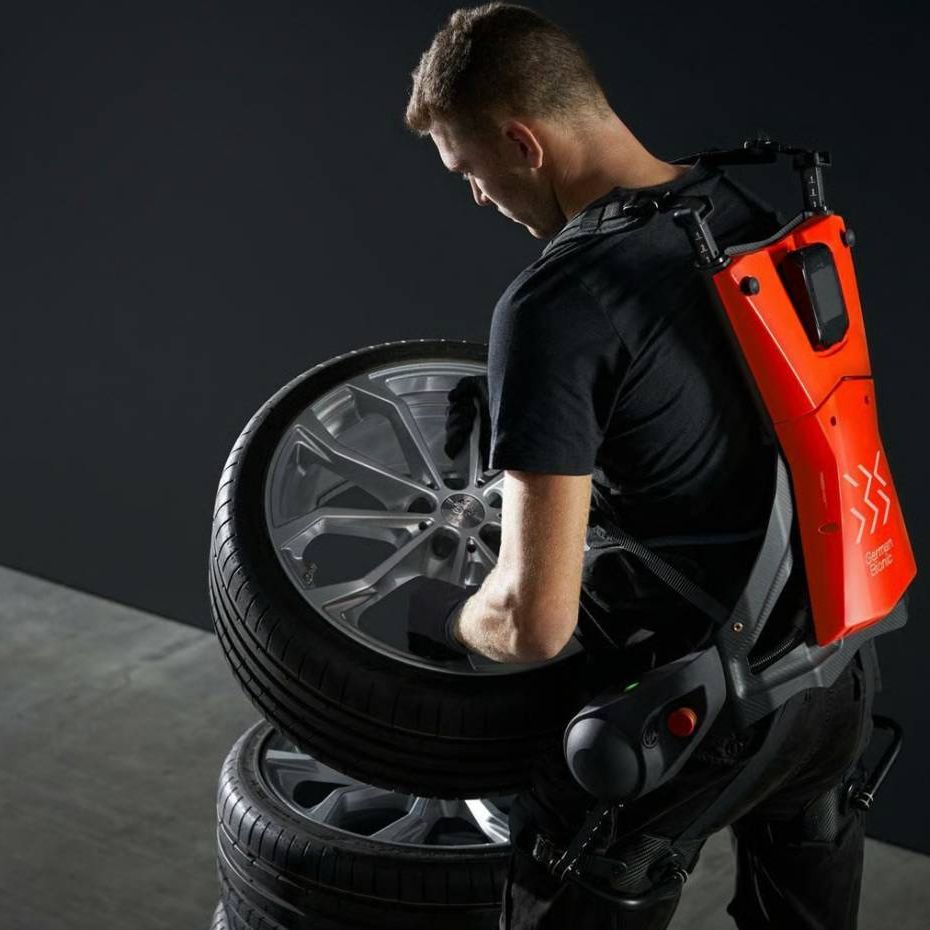
Exoskeleton assists tire changes
German Bionic has developed an AI-powered exoskeleton called EXIA for…

Bolometer chips for precise power measurement in fusion reactors
At Fraunhofer IMM, a so-called bolometer chip was developed for precise power…
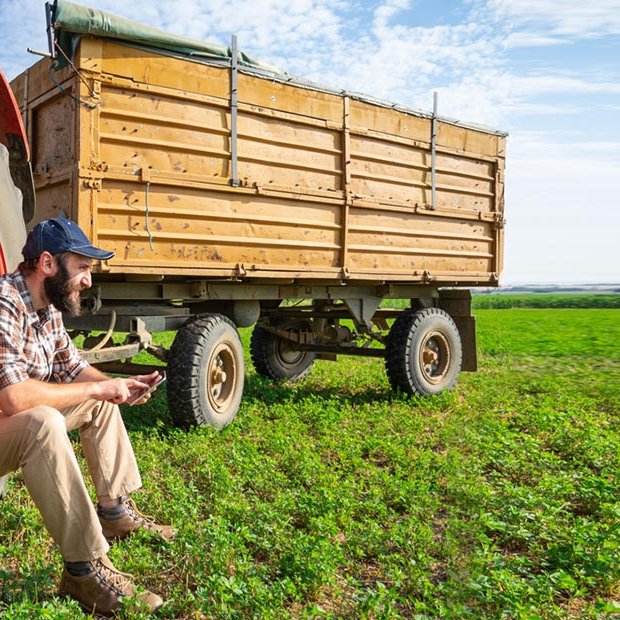
Xarvio – Digital Farming
BASF Digital Farming GmbH has received the renowned Crop Science Award for the…