

BISYKA biomimetic synthetic rubber
Strain-induced crystallization in synthetic polymers
20 March 2026
Synthetic rubber has been produced and continuously optimized since the beginning of the 20th century. Nevertheless, its mechanical properties cannot compete with those of natural rubber. A team of Fraunhofer researchers succeeded in identifying the reasons for this and successfully transferring them to synthetic rubber. At The Tire Cologne, Jens Hemmerle from Bisyka Innovation GmbH will present the material and its potential.
Formation of nanocrystals during deformation
For over 100 years, the optimization of synthetic rubber has been the focus of global research and development activities. And yet, natural rubber still holds its own against its synthetic counterparts and surpasses them in significant mechanical properties. A key distinguishing feature of natural rubber is its strain-induced crystallization.
When deformed, the polymer forms nanocrystals. This behavior prevents the propagation of microcracks and extends the material’s lifespan. “These tires lose 30 percent less mass than their natural rubber counterparts, and the tread loss is only half,” explains Dr. Ulrich Wendler, Head of Department at the Fraunhofer Pilot Plant Center for Polymer Synthesis PAZ, a joint facility of the Fraunhofer Institutes IAP and IMWS.
As a first step, molecular biologists at the Fraunhofer IME in Münster characterized the origin and composition of dandelion-derived natural rubber. Further analyses made it possible to elucidate the relationships between the individual components and the unique mechanical properties of dandelion rubber.
The basis for strain-induced crystallization is the extremely high cis microstructure purity of the polyisoprene used. To achieve this, Fraunhofer IAP, in collaboration with a renowned catalyst manufacturer, tested various catalyst types and optimized the polymerization conditions. Finally, the BISYKA team added various components of natural rubber to the high-cis synthetic rubber and observed clear effects on its mechanical properties.
“Our focus was on producing synthetic polyisoprene rubber with improved strain-induced crystallization, as this property has so far given natural rubber a unique position,” explains Prof. Dr. Mario Beiner, project manager and scientific director of the “Polymer Applications” business unit at Fraunhofer IMWS.
In Münster, a manufacturing process for the property-determining components from natural rubber was successfully established, enabling the production of larger quantities of biomimetic synthetic rubber and allowing for the production of prototypes.
“By pooling the expertise in life sciences and engineering within the Fraunhofer-Gesellschaft, we have succeeded for the first time worldwide in transferring the unique biological properties of natural rubber to its technical counterpart, synthetic rubber,” emphasizes Prof. Dr. Dirk Prüfer, head of the “Plant Biopolymers” site at the Fraunhofer IME in Münster.
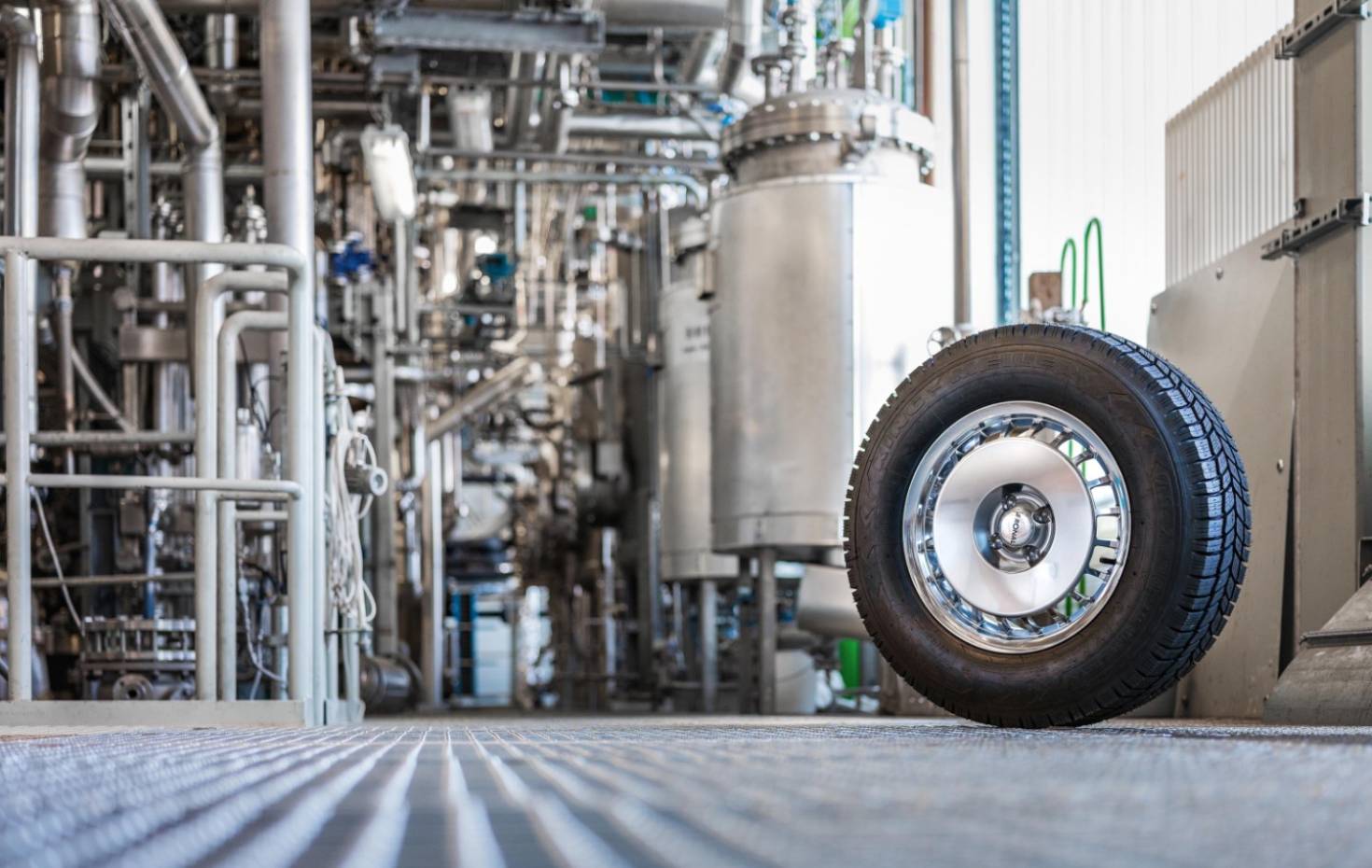
The material innovation will be marketed by Bisyka Innovation GmbH in the future. We look forward to showcasing a demonstrator tire in our Innovation Lab at The Tire Cologne from June 9-11, 2026 at the Koelnmesse exhibition center.
image: BISYKA tires made from biomimetic synthetic rubber can be produced on an industrial scale using existing equipment (credit: Fraunhofer IAP, photo: Till Budde)
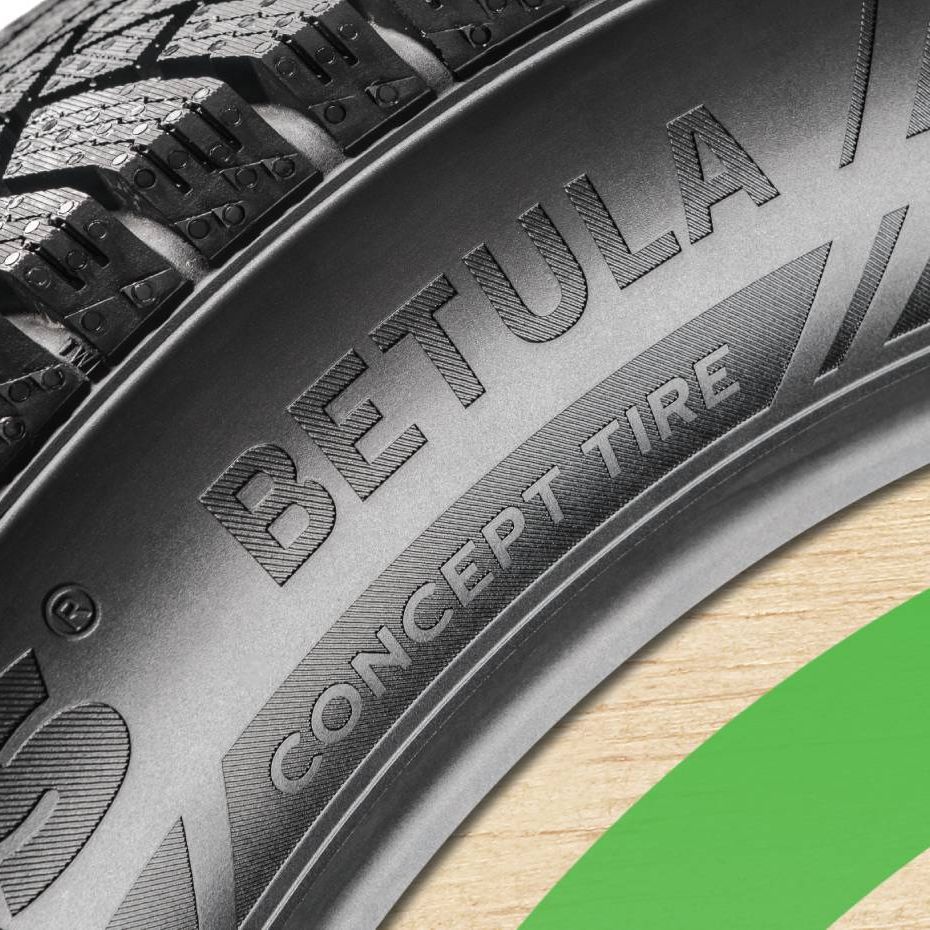
Nokian Tyres Betula
The Nokian Tyres Betula concept tire incorporates birch bark material in its…
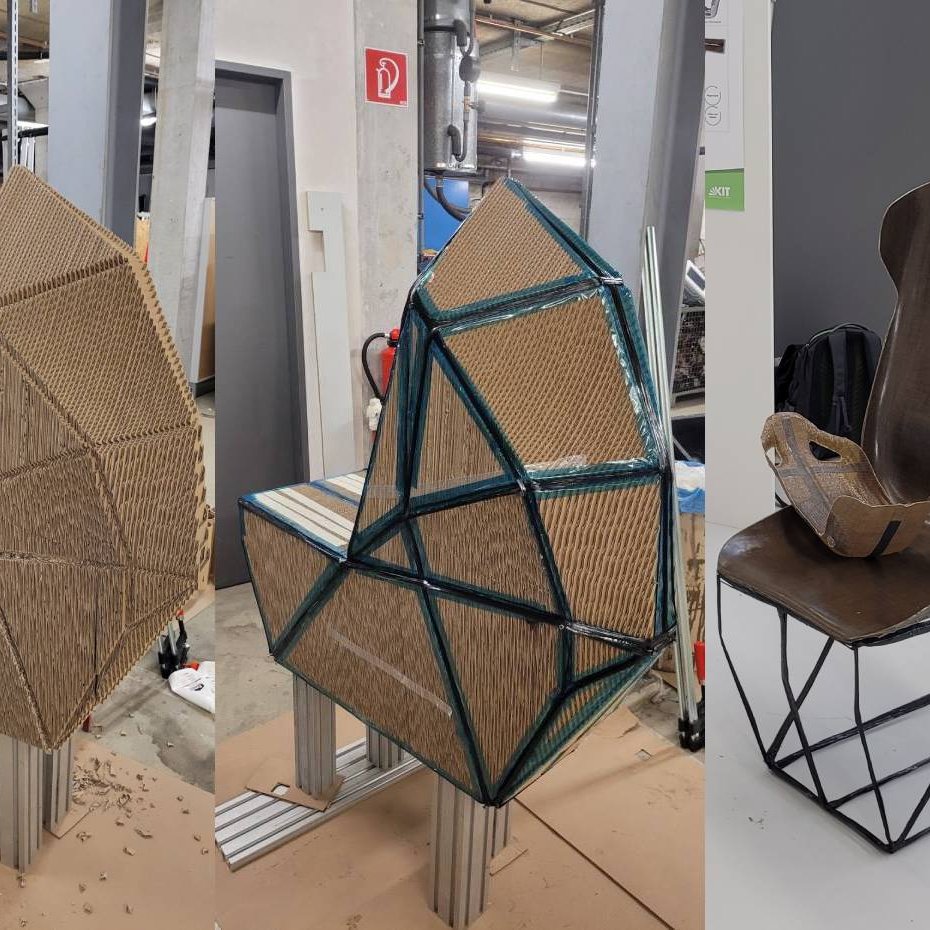
Natural fiber reinforced car seat
The focus of the project "Design for Recycling" is a seat shell that is made…
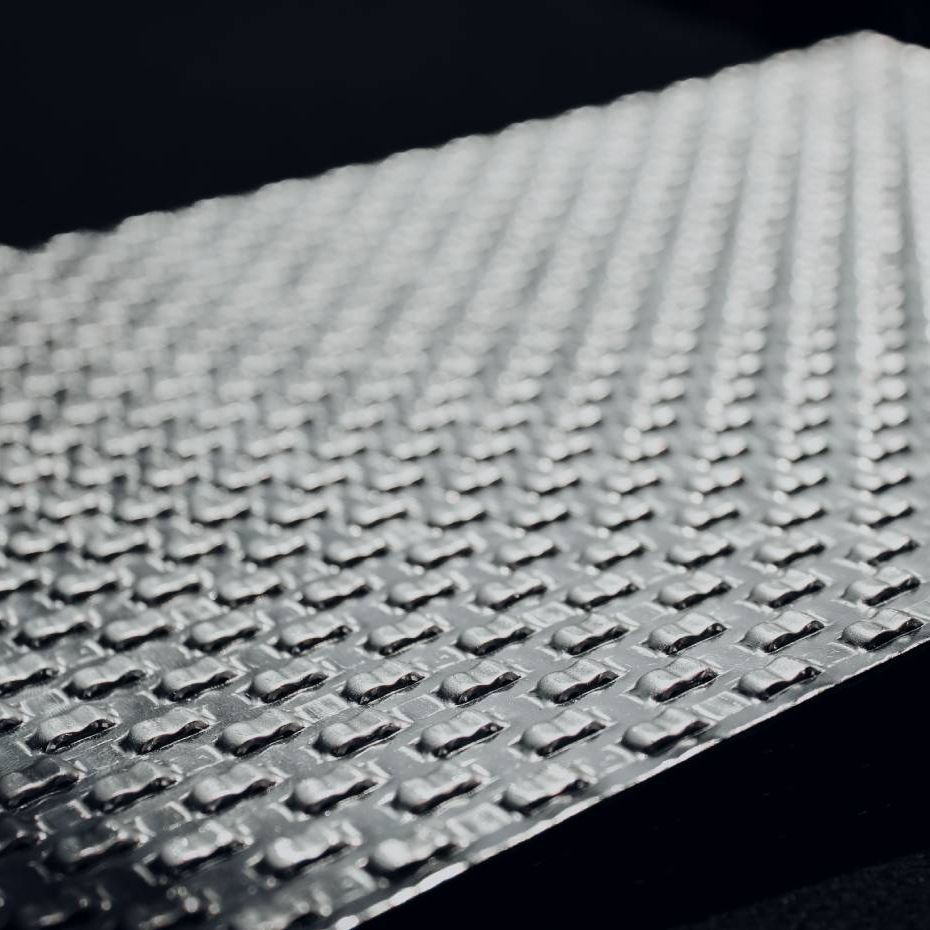
Absora micro-perforation material
Absora has developed a micro-perforated sheet-metal metamaterial that absorbs…
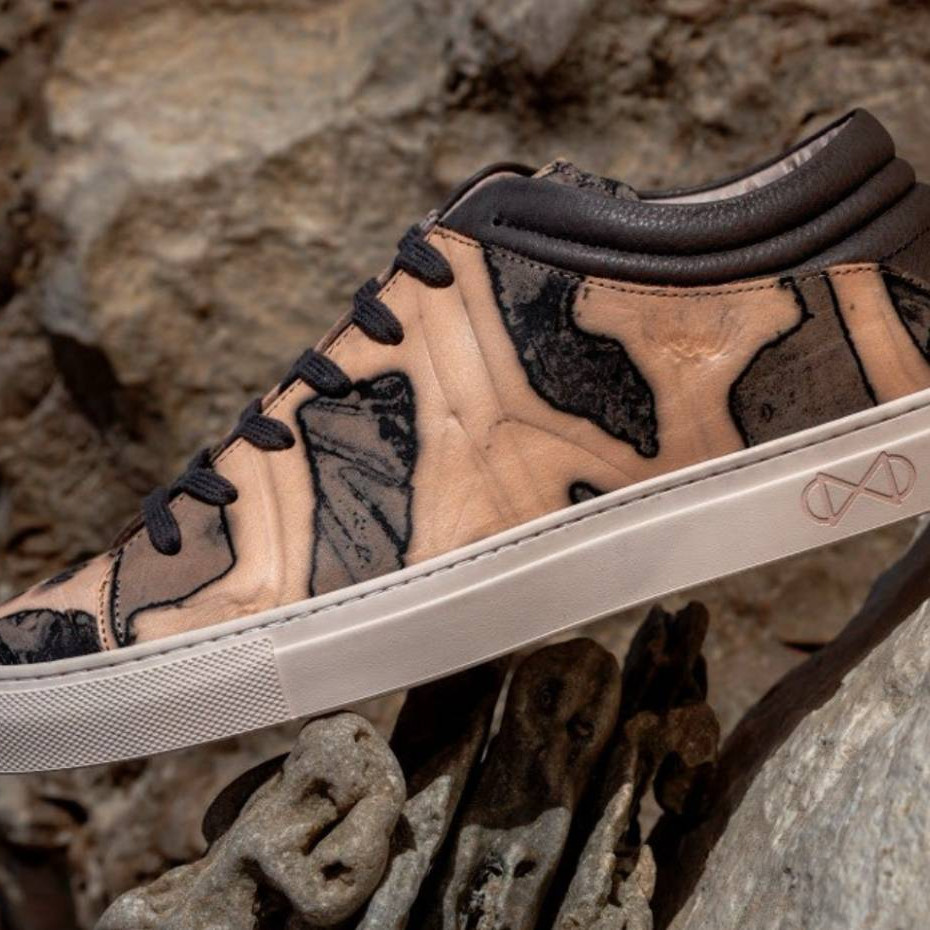
Rusted Leather
Munich based high end footwear brand nat-2 and designer Talia Luvaton present a…
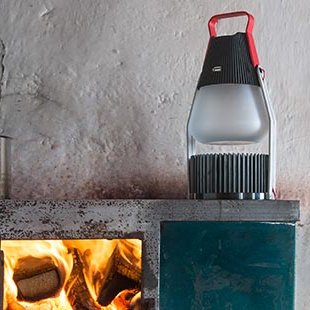
IGNIS – Light from waste heat energy
The availability of affordable, independent and, above all, clean electrical…
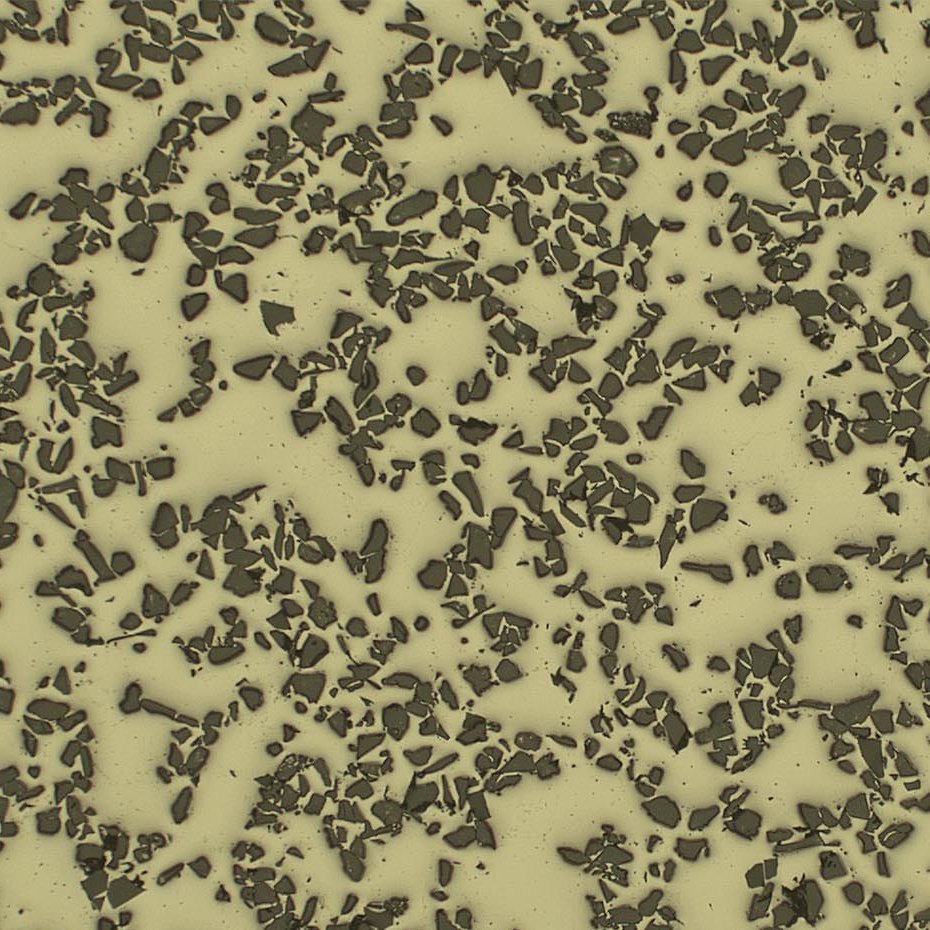
Brake disc with reduced fine dust
Fine dust endangers our health. One of the main sources is traffic, especially…
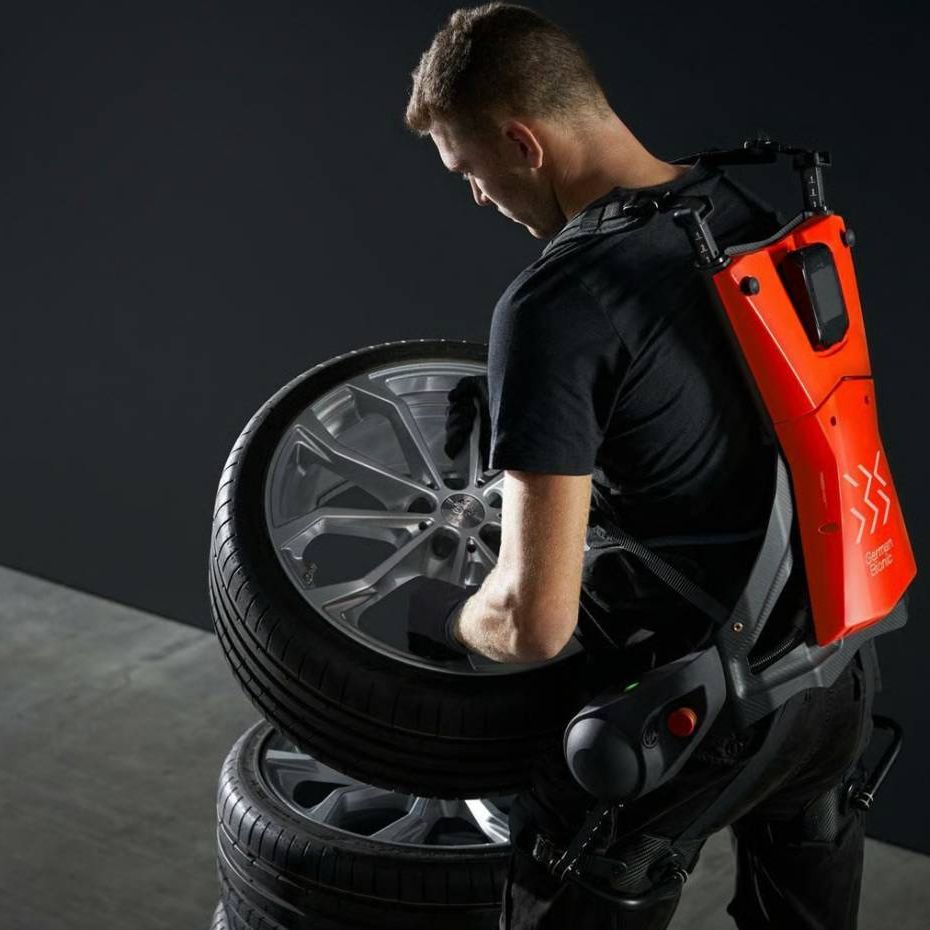
Exoskeleton assists tire changes
German Bionic has developed an AI-powered exoskeleton called EXIA for…

Bolometer chips for precise power measurement in fusion reactors
At Fraunhofer IMM, a so-called bolometer chip was developed for precise power…
Xarvio – Digital Farming
BASF Digital Farming GmbH has received the renowned Crop Science Award for the…