

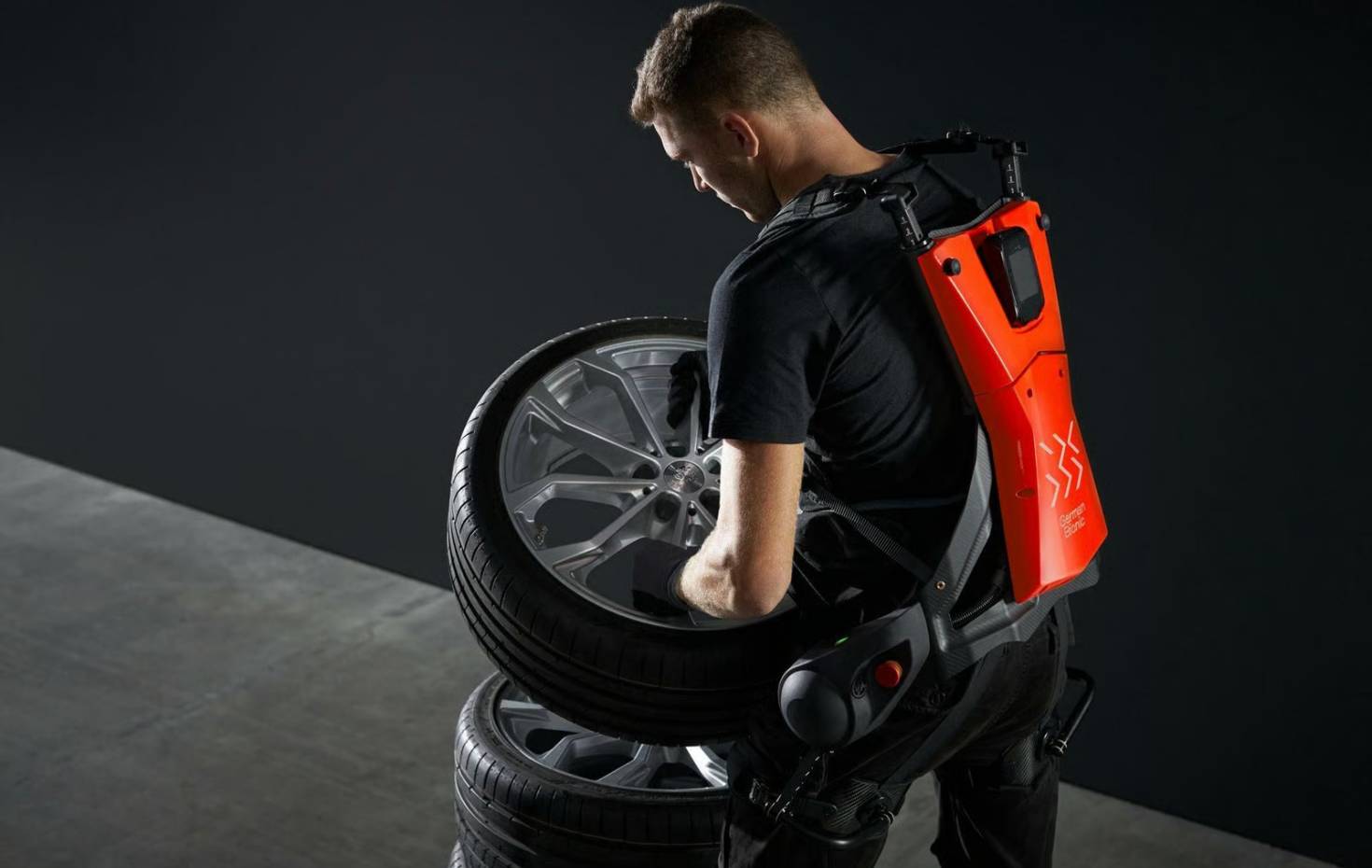
Exoskeleton assists tire changes
The robot suit protects against physical overexertion.
22 March 2026
The transformation of the tire industry doesn’t just involve circular materials, new rubber formulations, or AI-based inspection systems – it also affects the people along the value chain. In the context of THE TIRE COLOGNE Innovation Lab , German Bionic will present an AI-supported exoskeleton for tire changing from June 9-11, 2026.
Exoskeletons for back health in the workplace
Sustainable production and smart technologies must go hand in hand with solutions that make physically demanding work safer and more future-proof. Human augmentation complements automation and robotics where manual labor is still required – for example, in workshops and service centers.
Especially during tire-changing season, workshops are stretched to their limits – and their employees are physically exhausted. For weeks on end, dozens of complete wheel sets are moved, stored, and mounted daily. Four wheels per vehicle, hundreds of vehicles per week: The repeated lifting and carrying puts a strain on the back in particular and quickly leads to fatigue during the seasonal peak.
This is where the AI-supported exoskeletons from German Bionic come in. With up to 38 kg of adaptive lifting support per movement, EXIA provides targeted relief during heavy, repetitive tasks – mobile, worn directly on the body, and without requiring any modifications to the workshop infrastructure.
Unlike stationary lifting aids or permanently installed systems, these smart power suits flexibly accompany employees through all work steps – from the tire storage area to the vehicle lift. This noticeably eases the workload, reduces the risk of accidents when concentration wanes, and can counteract absences and sick days in the long term – a concrete contribution to resilient, efficient workshop processes.
German Bionic has developed an AI-powered exoskeleton called EXIA for physically demanding work such as changing tires. The smart systems support employees, particularly during tasks like lifting, carrying, and repetitive movements – activities that frequently lead to lower back strain.
Through integrated sensors and intelligent software, the exoskeleton analyzes movements in real time and dynamically adjusts the support. This reduces physical strain and improves workplace ergonomics.
image credit: German Bionic
BISYKA synthetic rubber
Fraunhofer researchers have succeeded in transferring the mechanical quality of…
Natural fiber reinforced car seat
The focus of the project "Design for Recycling" is a seat shell that is made…
Absora micro-perforation material
Absora has developed a micro-perforated sheet-metal metamaterial that absorbs…
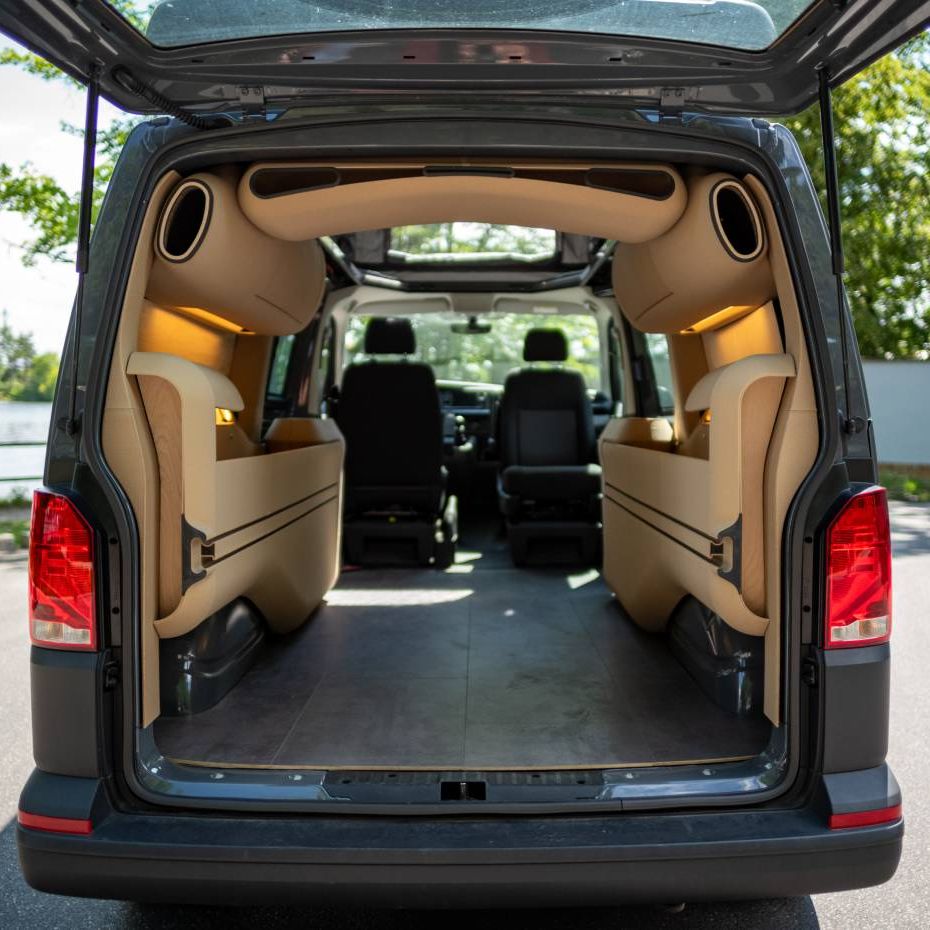
3D-printed campervan interior
The US startup Materialogic is developing an additively manufactured interior…
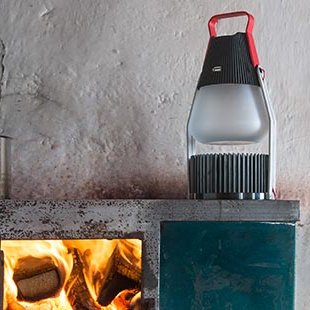
IGNIS – Light from waste heat energy
The availability of affordable, independent and, above all, clean electrical…
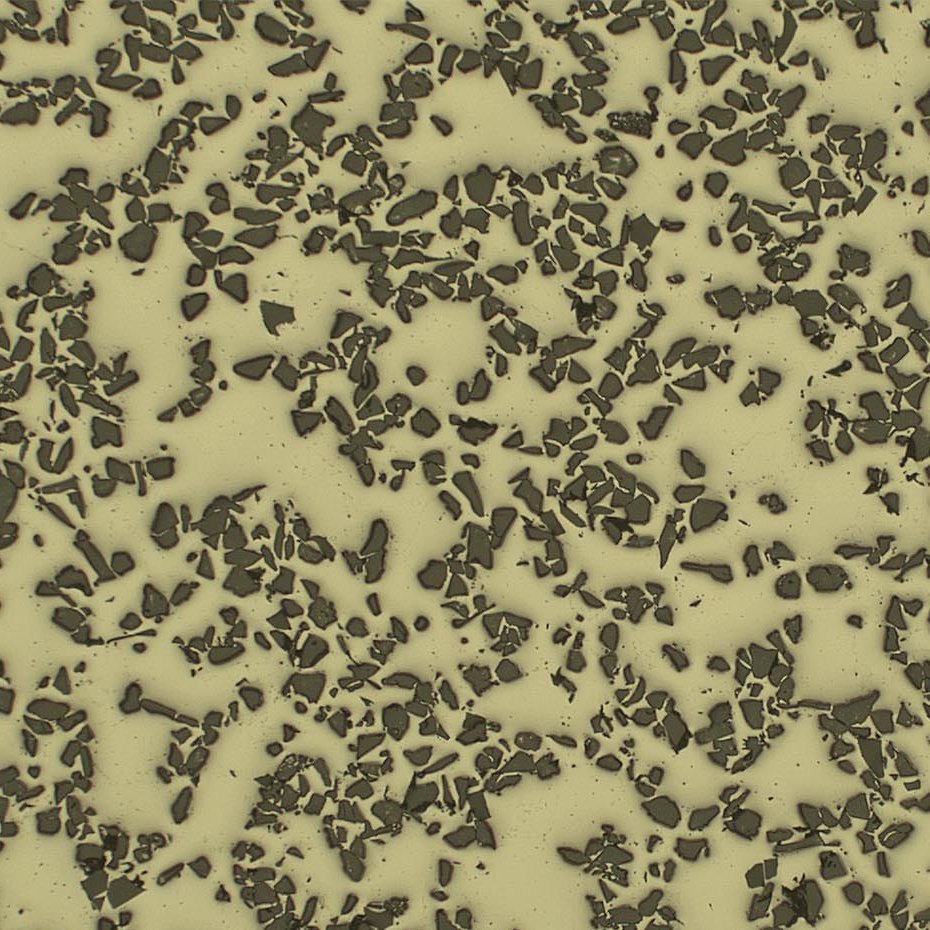
Brake disc with reduced fine dust
Fine dust endangers our health. One of the main sources is traffic, especially…
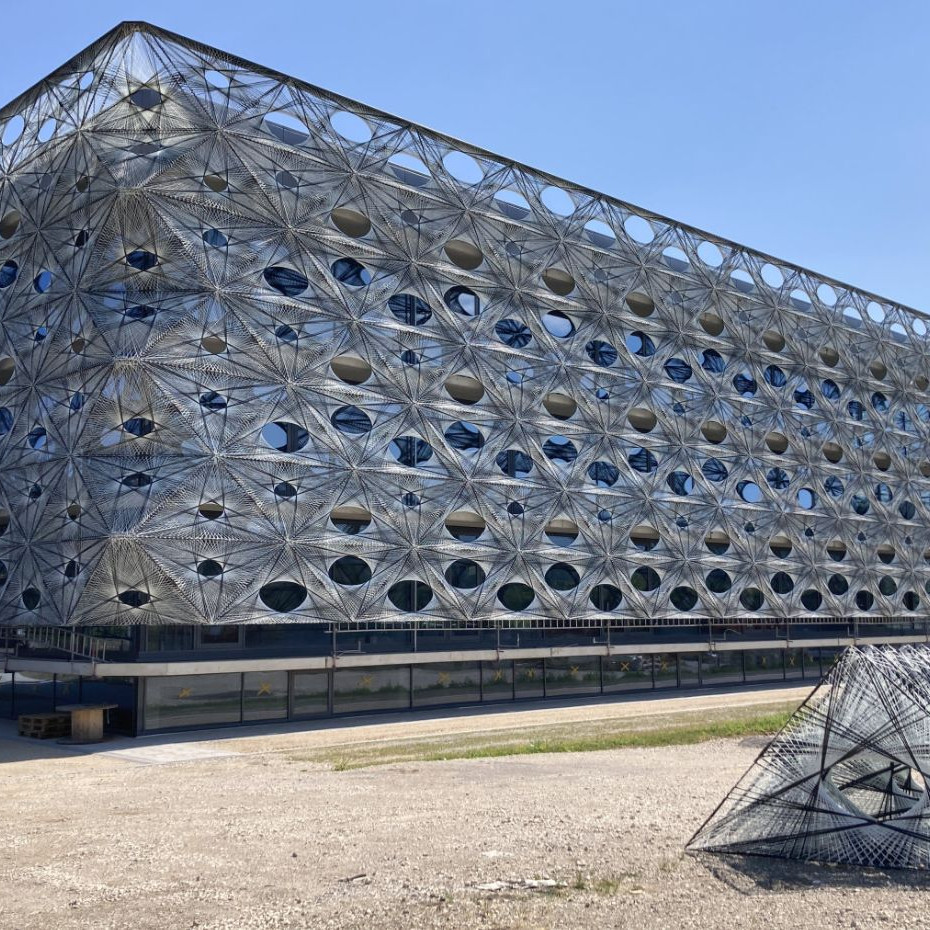
Texoversum
With the "Texoversum", Reutlingen University has put into operation a training…

Bolometer chips for precise power measurement in fusion reactors
At Fraunhofer IMM, a so-called bolometer chip was developed for precise power…

Xarvio – Digital Farming
BASF Digital Farming GmbH has received the renowned Crop Science Award for the…