

Smart Revolution
Elly Li talking to Prof. Dr. Sascha Peters
3 March 2026
Elly Li: Looking back over the past years, what new trends in furniture production and material application have captured your attention? How are these trends specifically reflected in the products or companies nominated for this year’s interzum guangzhou Award?
Sascha Peters: We observe a particular trend towards simpler and less complex furniture designs, coupled with reduced material consumption. Efficient production and use, as well as the integration of resources into closed-loop systems, are the goals. Assembly systems that also allow for easy disassembly have been submitted for the prize several times, including again this year.
What is your understanding of this edition’s keyword, “Smart Revolution”, in the furniture industry, based on the winning products?
Sascha Peters: Many of the award-winning entries focus on intelligent solutions for adapting furniture to the user. This applies to both height-adjustable desks and upholstered furniture that alerts the user to incorrect posture. Artificial intelligence is making its way into the furniture industry. Intelligent systems are being integrated that, for example, take over alarm functions, monitor breathing during sleep, or exert a cooling effect on the body at night.
What are the most impressive materials featured in the entries of this year’s interzum guangzhou Award? How do you view the role of such materials in the future development of the furniture industry?
Given the trend towards integrating digital tools into materials and surfaces, I was particularly impressed by solutions where, for example, smart fiber technology in a mattress protects against electrostatic discharge. This is the exact opposite of smart technology, which leads to AI-controlled digital systems and enables the user to enjoy a restful sleep.
True circularity often requires a shift from selling products to offering services. In your view, what are the most viable first steps for traditional furniture manufacturers to test and integrate such circular business models without disrupting their current operations?
The transformation towards a circular economy depends crucially on whether industry takes responsibility for the resources it uses. Circular economy models will only be successful if they generate economic benefits that offer all companies a business opportunity to take back, repair, and/or design their products so that the materials can be reused at the end of their life cycle.
As a jury member, you are not just selecting winners but also sending signals to the entire industry. Beyond recognizing excellence, what is one specific, actionable signal or call to action you hope the outcomes of this award will send to manufacturers, designers, and brands worldwide?
I think we need a fundamental shift in how we perceive the spaces where we live, eat, and move around. Instead of striving for an environment that has become increasingly perfect and flawless in recent years, we need one that bears patina, signs of wear, and imperfections. It’s okay for things to have rough edges, dents, and scratches. This would not only promote circular economy principles in industry but also move us forward as a society.
With his expertise as a materials and innovation expert, Prof. Dr. Sascha Peters is regularly appointed to the juries of design and ideas competitions.
An exhibition with selected submissions and the winners of the award will be displayed at this year’s interzum guangzhou from 28-31 March 2026.
image: TEKarrc (credit: TiMOTION Technology)
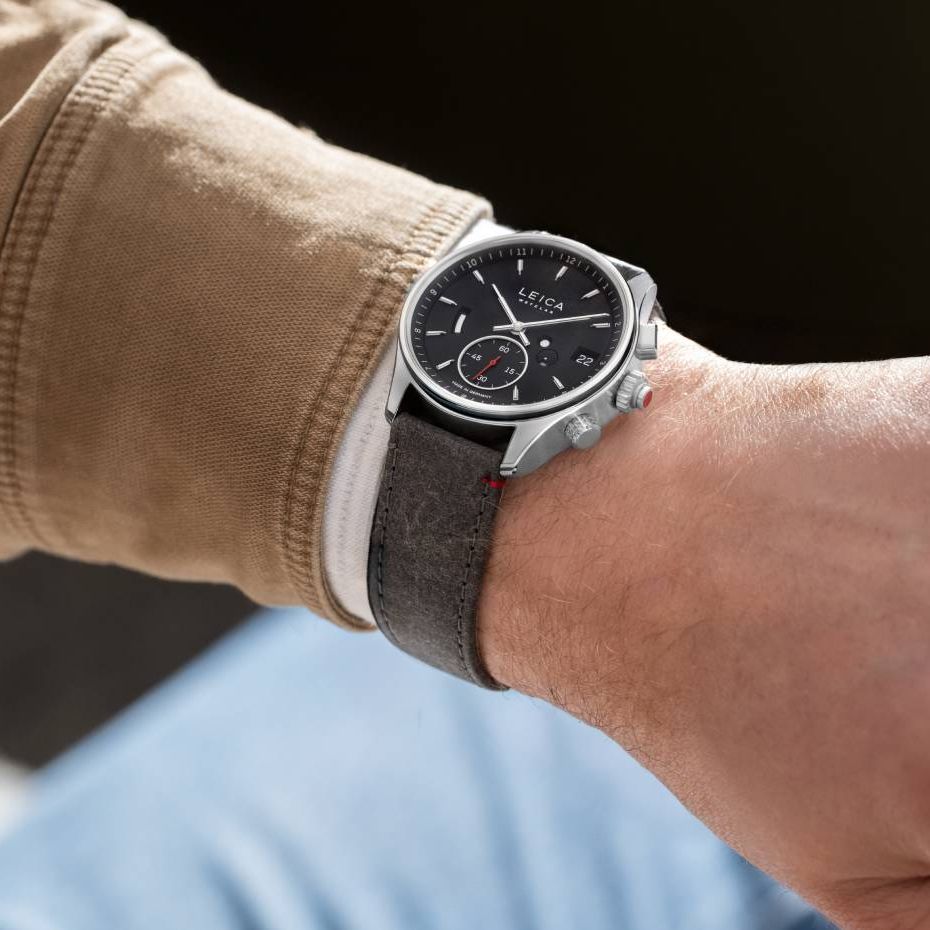
Leica watch strap made of
Leica is now offering a hemp strap for mechanical watches made from LOVR. LOVR…
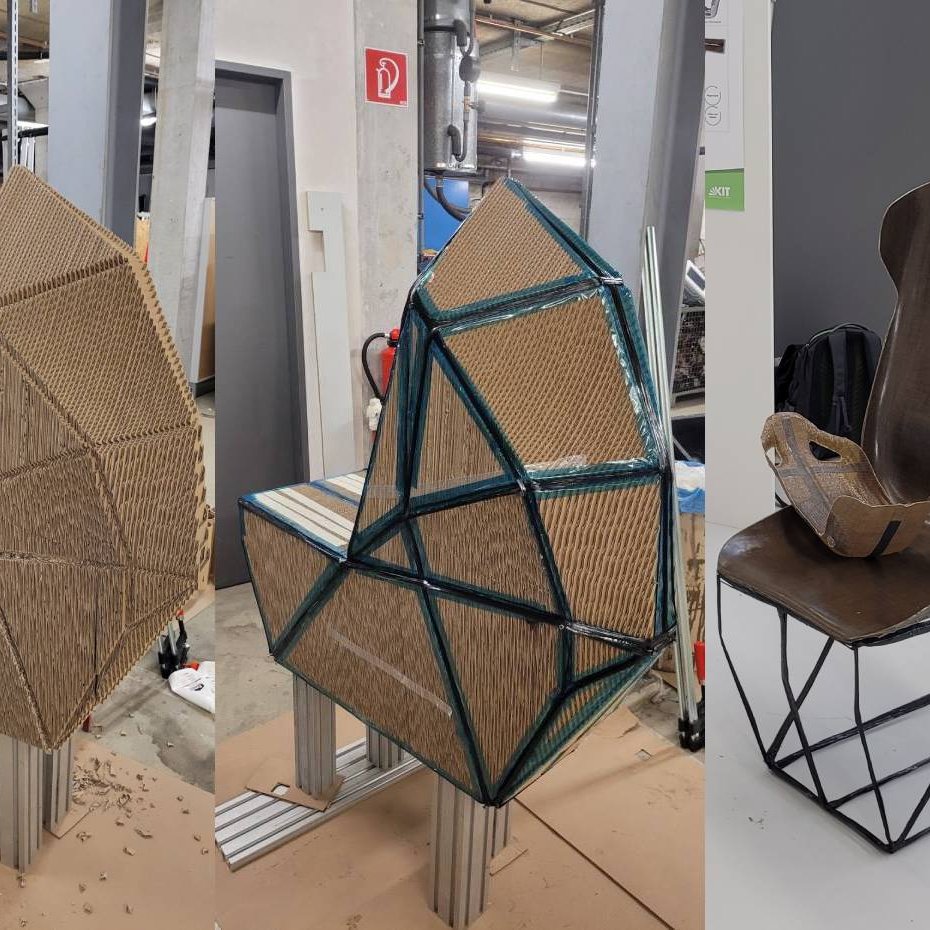
Natural fiber reinforced car seat
The focus of the project "Design for Recycling" is a seat shell that is made…
Liquid Metal Dispensing
By embedding conductive liquid metals in stretchable textiles and soft…
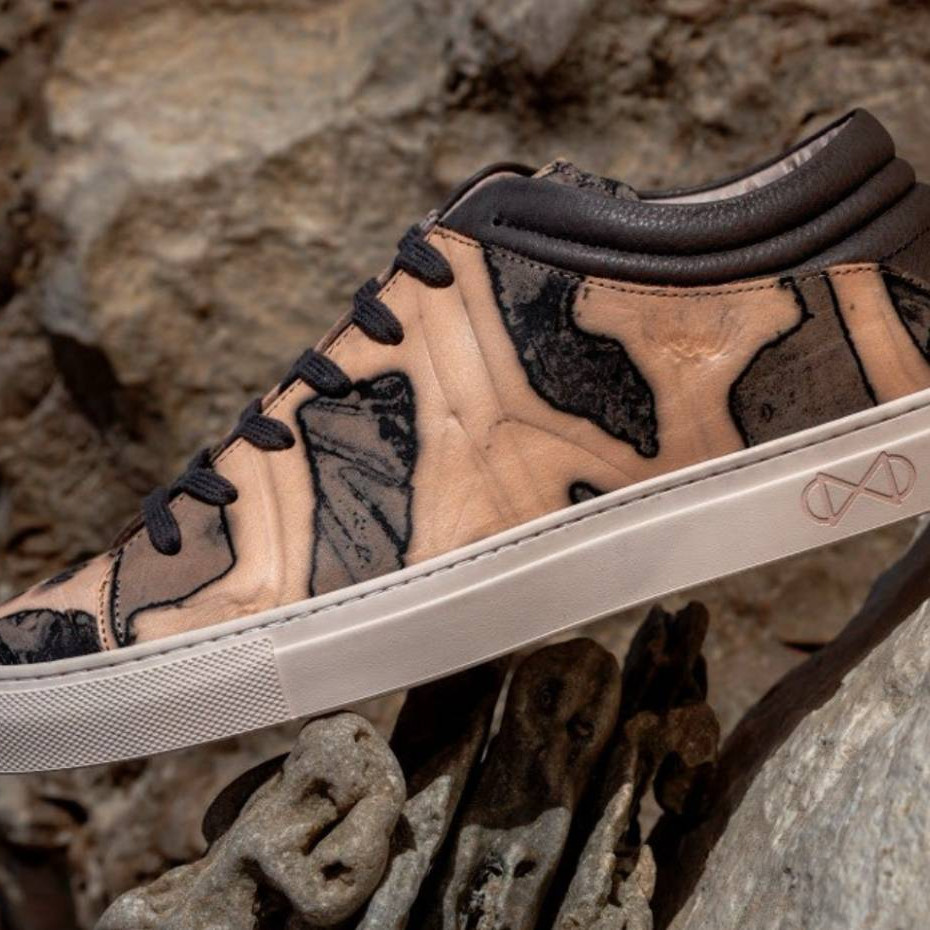
Rusted Leather
Munich based high end footwear brand nat-2 and designer Talia Luvaton present a…
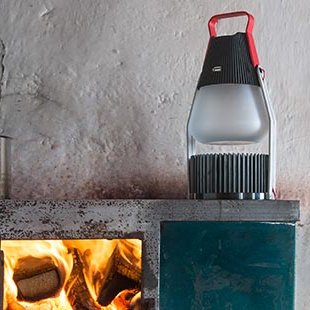
IGNIS – Light from waste heat energy
The availability of affordable, independent and, above all, clean electrical…
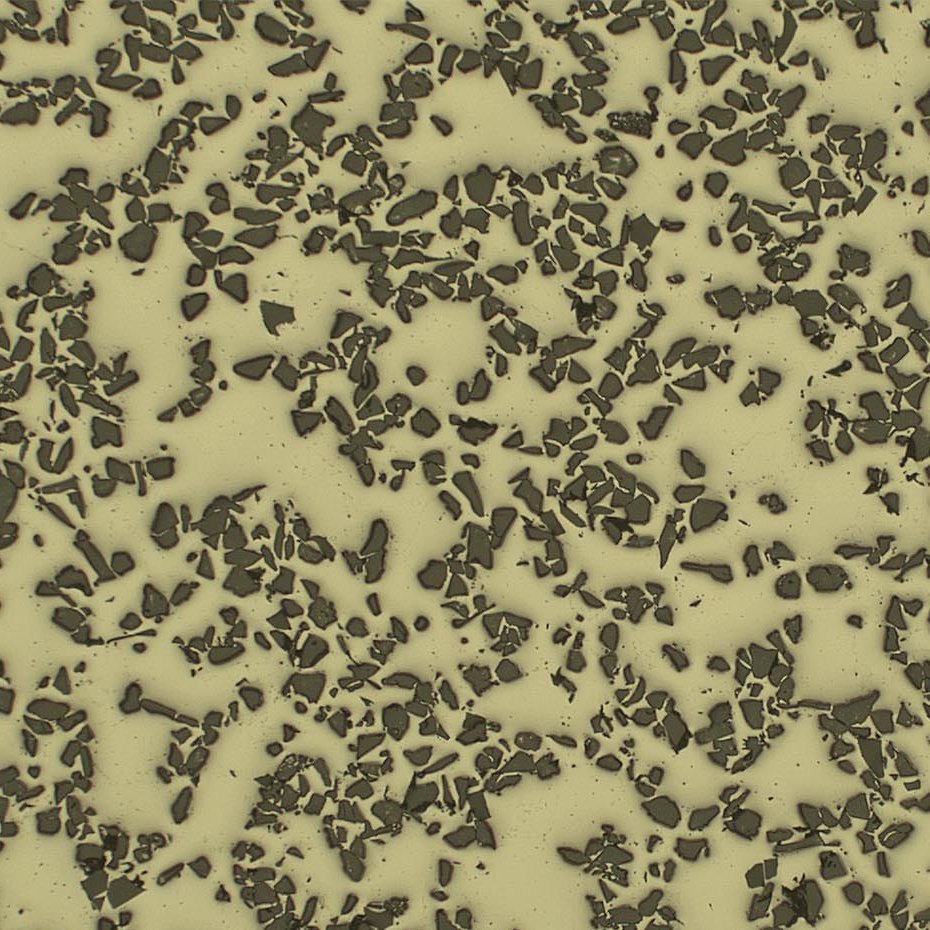
Brake disc with reduced fine dust
Fine dust endangers our health. One of the main sources is traffic, especially…
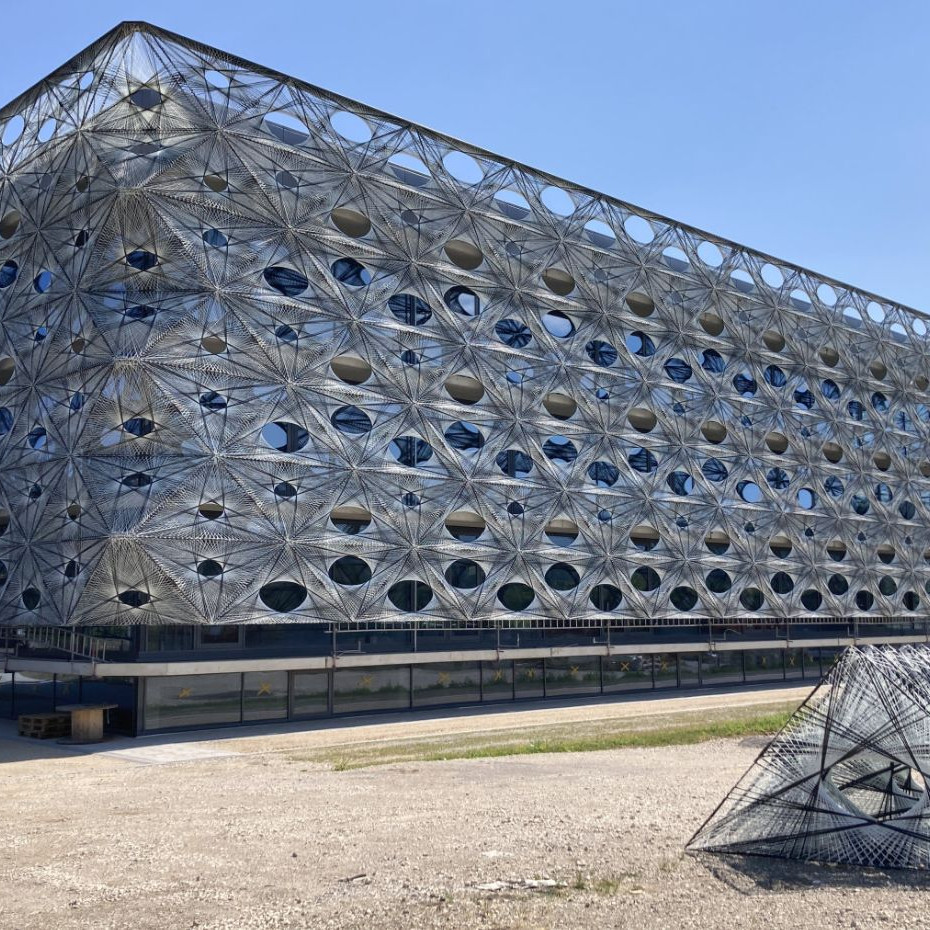
Texoversum
With the "Texoversum", Reutlingen University has put into operation a training…

Bolometer chips for precise power measurement in fusion reactors
At Fraunhofer IMM, a so-called bolometer chip was developed for precise power…

Xarvio – Digital Farming
BASF Digital Farming GmbH has received the renowned Crop Science Award for the…