


Material trendsetting for low-impact furniture
interzum forum italy · Bergamo
4 June 2026
Currently, two distinct approaches can be observed among furniture manufacturers in addressing the growing demand from customers for environmentally friendly solutions. Some are focusing on the use of monomaterials in designs intended for repair and recycling. Others are utilizing a new generation of biomaterials and striving to eliminate synthetic materials altogether.
Low-impact Alternatives to Conventional Plastics
A multitude of startups are currently entering the market, developing highly promising alternatives to conventional synthetic commodity plastics such as TPE, ABS, and epoxy resin. Until recently, the prospect of ever finding a replacement for non-recyclable elastomers, thermosets, and adhesives was considered a major challenge.
The marketing of a new generation of advanced biomaterials, capable of circulating in both biological and technical cycles, has just begun. Examples include sheet materials made with walnut shells from a Copenhagen-based startup, a biocircular elastomer from Switzerland, and fungus-based binders for linoleum adhesion.
Especially in furniture manufacturing and interior design, where the traditional approach relies on combining natural materials with synthetic textiles and coatings, the trend toward biocircular biomaterials can significantly improve material efficiency by establishing closed-loop systems.
At the invitation of interzum italy, Prof. Dr. Sascha Peters will outline the future of low-impact solutions for circular furniture and interior design, based on some highly interesting developments in the fields of mono-materials and biomaterials.
All information about the interzum forum italy can be found at: www.interzum-forum.it
image: Paint Zero
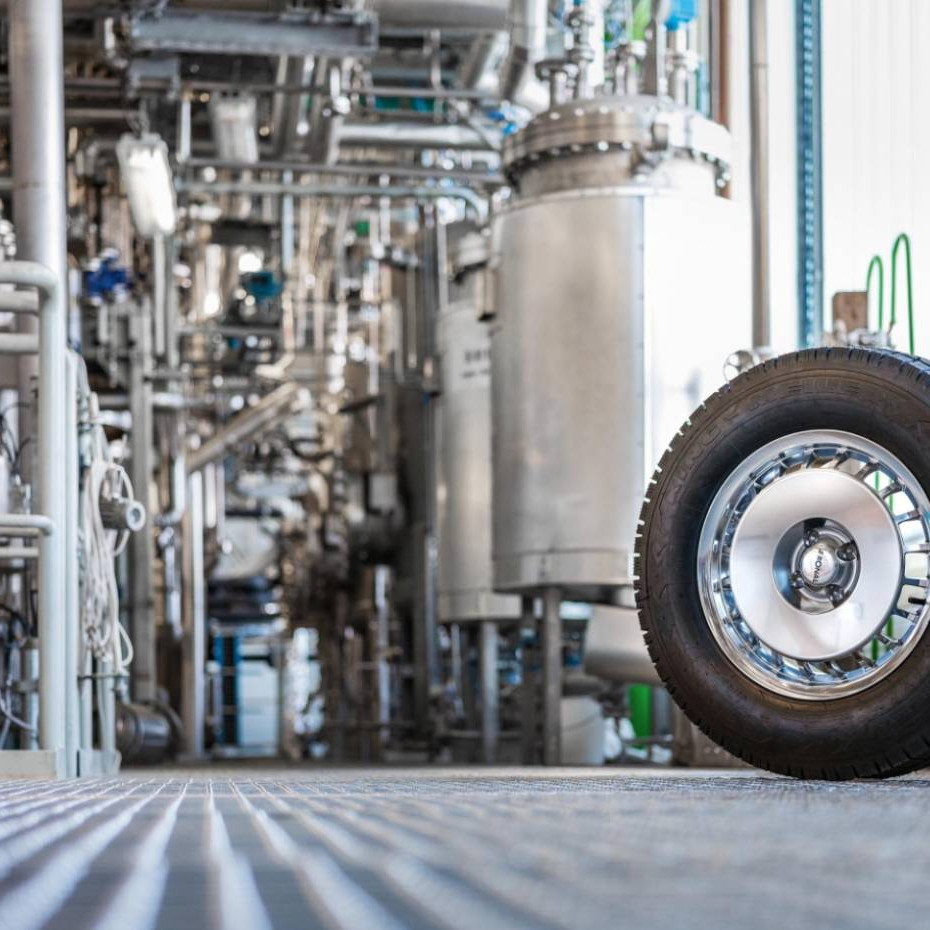
BISYKA synthetic rubber
Fraunhofer researchers have succeeded in transferring the mechanical quality of…
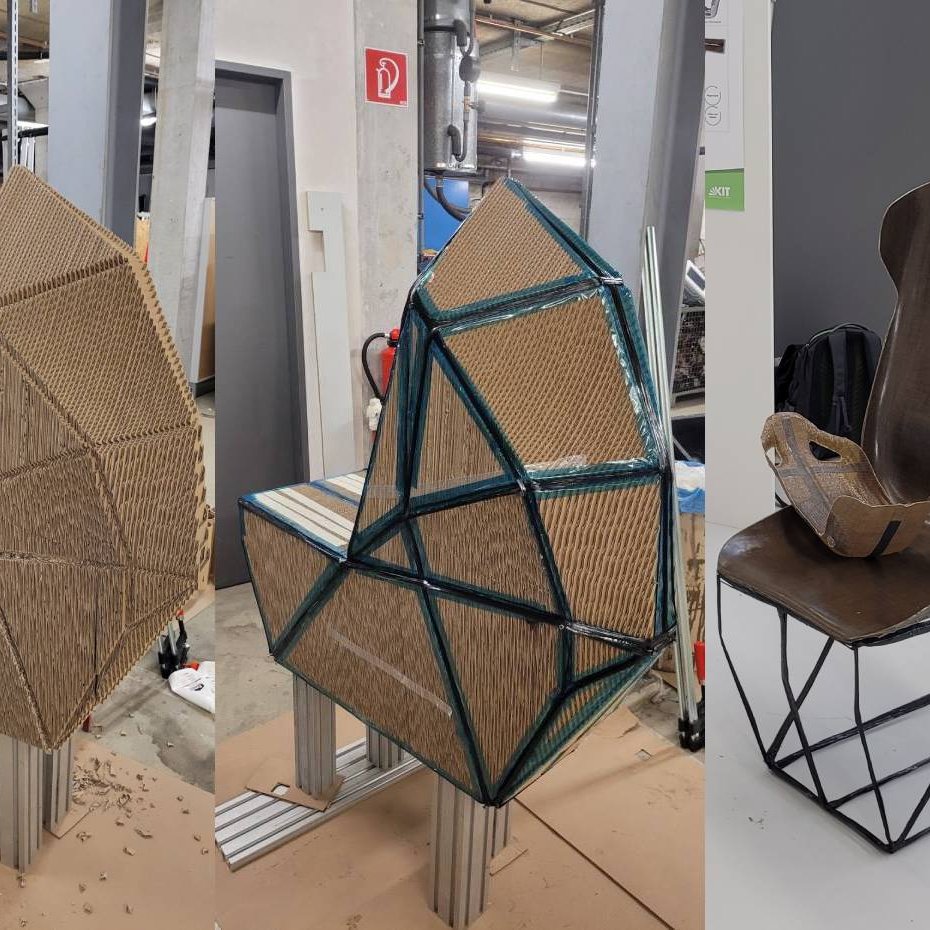
Natural fiber reinforced car seat
The focus of the project "Design for Recycling" is a seat shell that is made…
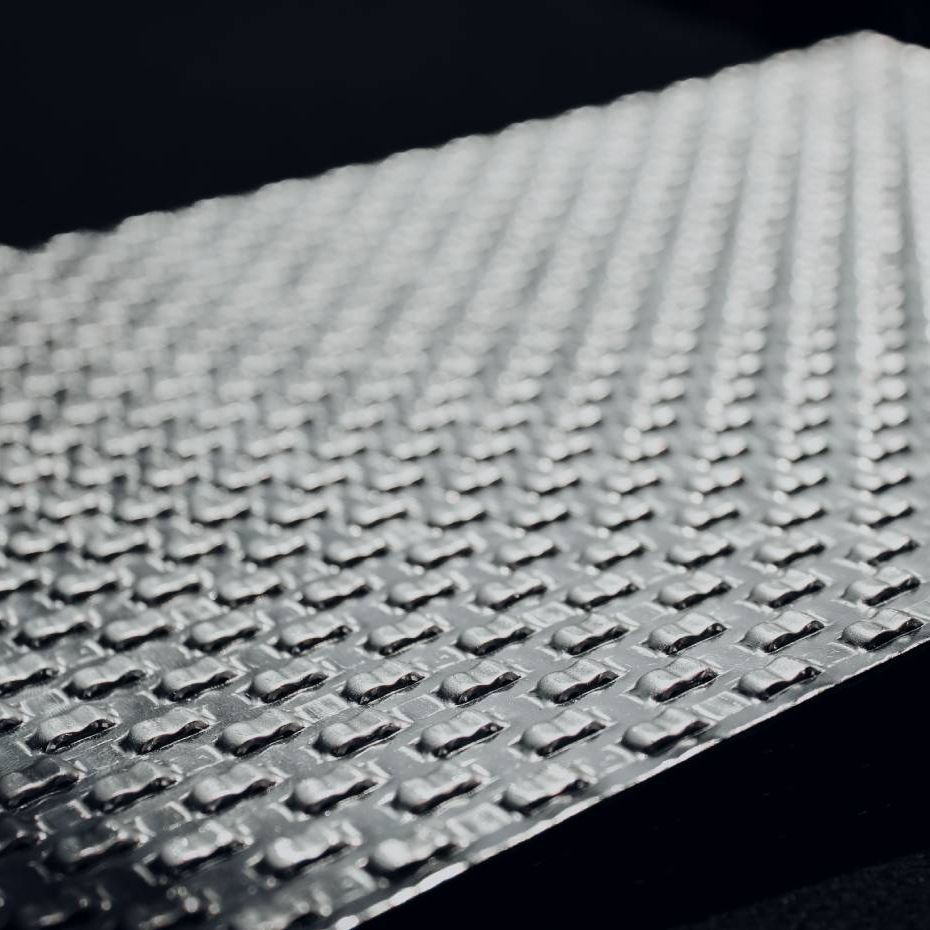
Absora micro-perforation material
Absora has developed a micro-perforated sheet-metal metamaterial that absorbs…
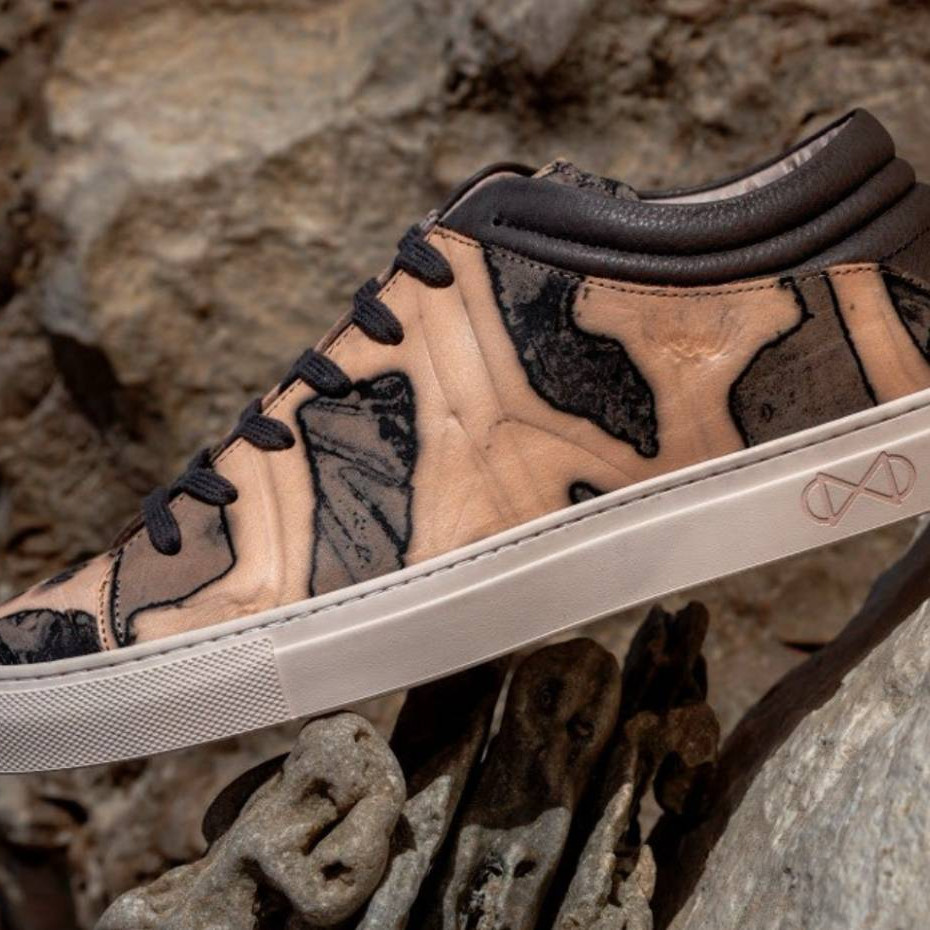
Rusted Leather
Munich based high end footwear brand nat-2 and designer Talia Luvaton present a…
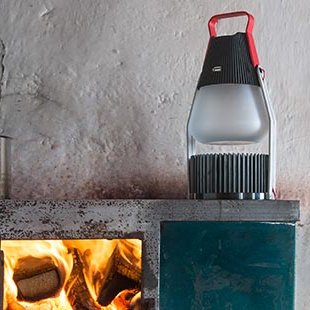
IGNIS – Light from waste heat energy
The availability of affordable, independent and, above all, clean electrical…
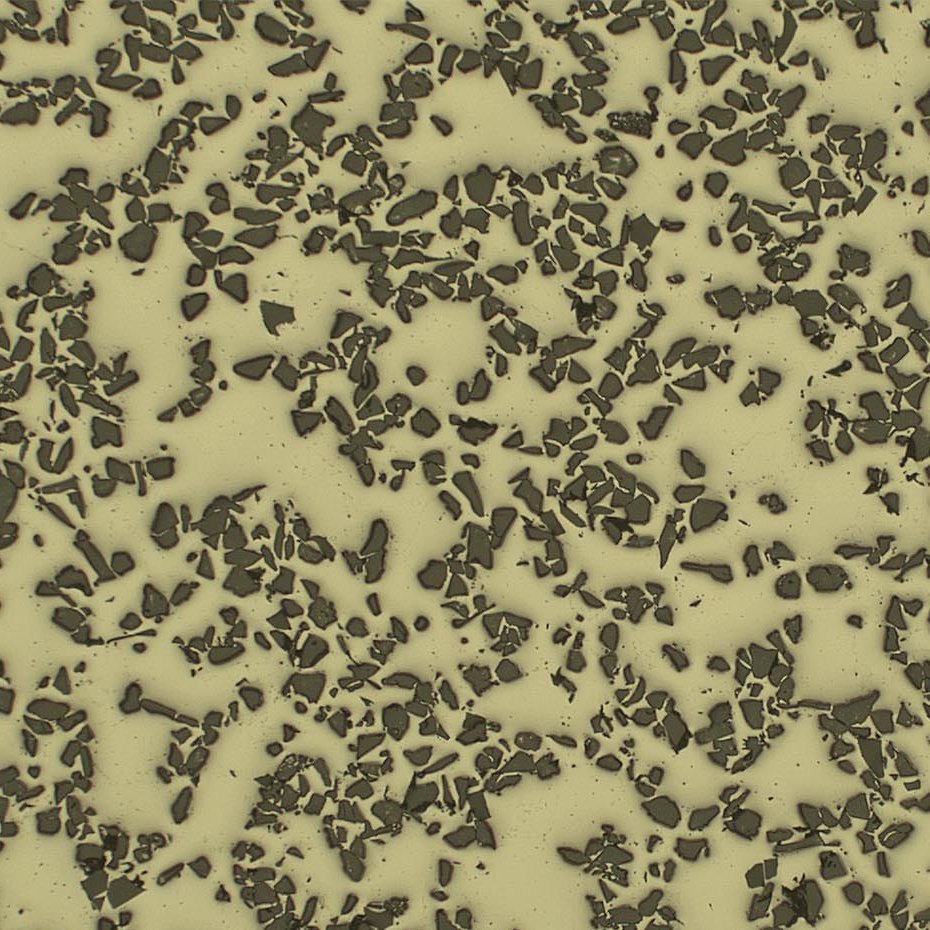
Brake disc with reduced fine dust
Fine dust endangers our health. One of the main sources is traffic, especially…
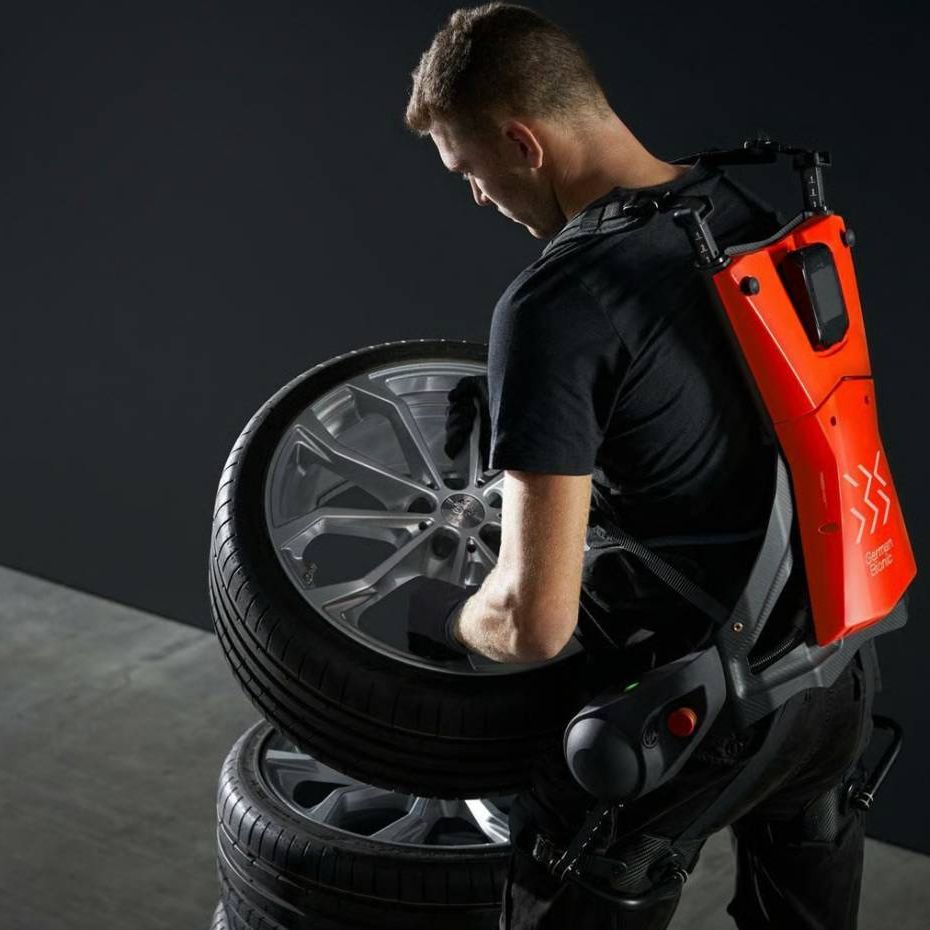
Exoskeleton assists tire changes
German Bionic has developed an AI-powered exoskeleton called EXIA for…

Bolometer chips for precise power measurement in fusion reactors
At Fraunhofer IMM, a so-called bolometer chip was developed for precise power…

Xarvio – Digital Farming
BASF Digital Farming GmbH has received the renowned Crop Science Award for the…