

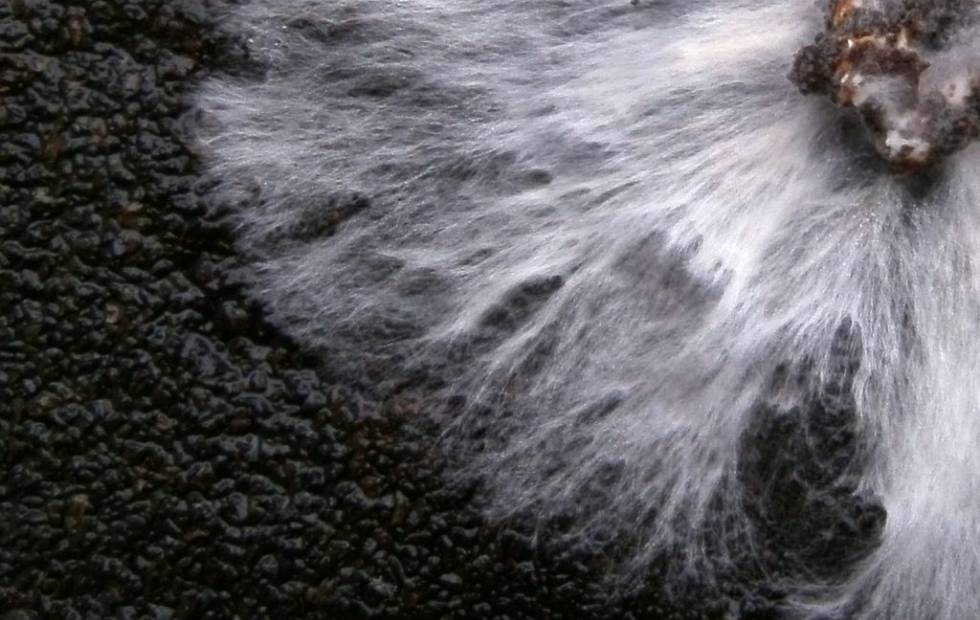
Mycelium as a bio-adhesive in the design and electrical industries
Future of BioAdhesives 2026 · Online-Vortrag
24 February 2026
Fungal mycelium is increasingly becoming a type of bio-adhesive for biodegradable composites and biocomposites. Through natural growth, it binds organic cellulose-containing secondary materials such as wood chips, hemp shives, or straw, transforming them into a stable, lightweight, and fully compostable material.
Mycelium as a natural, self-organizing adhesive
It acts as a natural, self-organizing adhesive that penetrates and binds the substrate, providing an environmentally friendly alternative to synthetic plastics. The fungal mycelium grows under normal environmental conditions and requires little energy, significantly reducing its carbon footprint. Mycelium-based composites are also fire-retardant and moisture-resistant and can exhibit both sound-absorbing and sound-reflecting properties.
At the online event “Future of BioAdhesives,” Prof. Dr. Sascha Peters from the Berlin-based future agency Haute Innovation will explain the framework for working with fungal mycelium in the construction, design, and electrical engineering sectors in a presentation.
Using the “Mycoustics” project, funded by the German Federal Ministry for Digital and Economic Affairs (BMTR), he will present a process chain for the additive manufacturing of a loudspeaker housing with living fungal mycelium, currently being developed at the Fraunhofer Institute for Machine Tools and Forming Technology (IWU). The aim is to create both sound-reflecting and sound-absorbing surfaces in a single process step, thereby positively influencing the sound experience.
The English-language online event “Future of BioAdhesives,” taking place on February 24 and 25, 2026, will focus on material innovations and new applications for bio-based adhesives. Bio-adhesives are among the pioneering innovations for industry in the transition to a sustainable economy.
They enable the joining of materials on a climate-friendly basis, promote healthy products and create new value chains – from adhesives for wood-based materials and packaging to innovative binders for bio-based composite materials.
image: Oyster mushroom mycelium on coffee grounds (photo: Tobi Kellner, Creative Commons)
BISYKA synthetic rubber
Fraunhofer researchers have succeeded in transferring the mechanical quality of…
Natural fiber reinforced car seat
The focus of the project "Design for Recycling" is a seat shell that is made…
Liquid Metal Dispensing
By embedding conductive liquid metals in stretchable textiles and soft…
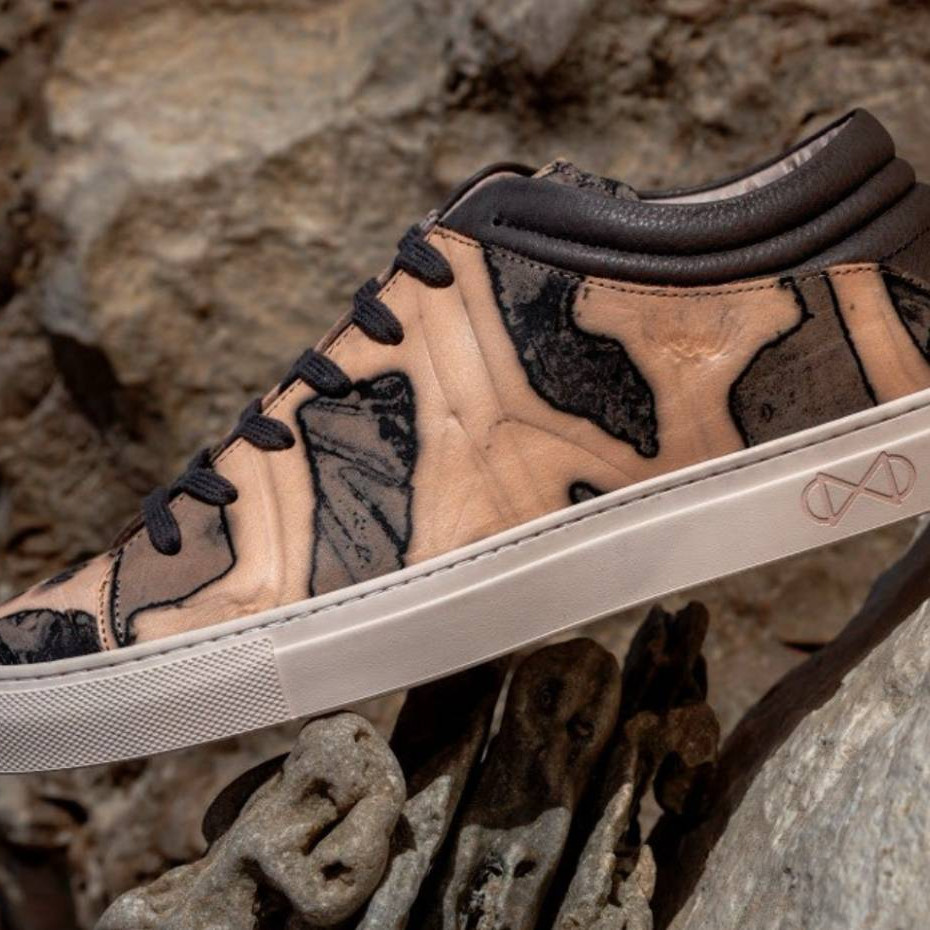
Rusted Leather
Munich based high end footwear brand nat-2 and designer Talia Luvaton present a…
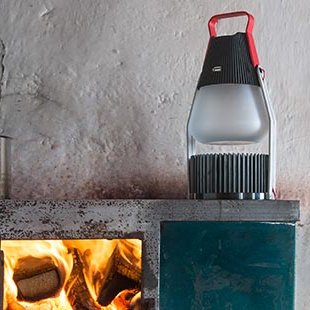
IGNIS – Light from waste heat energy
The availability of affordable, independent and, above all, clean electrical…
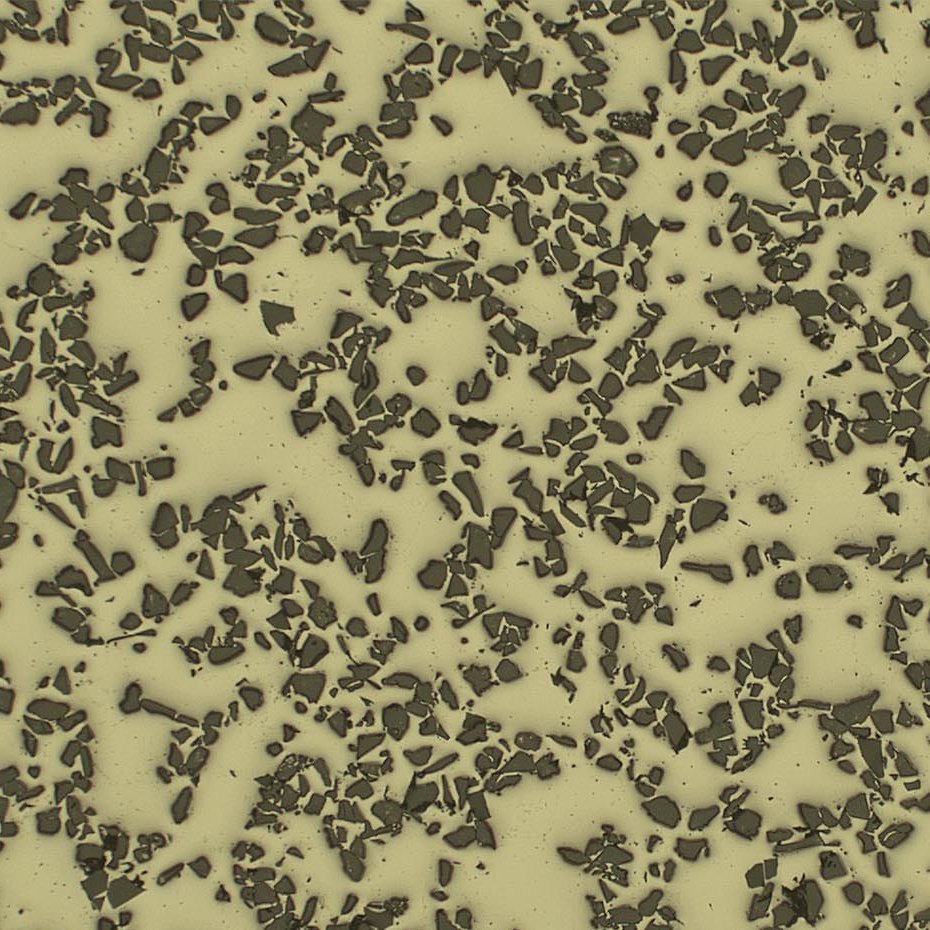
Brake disc with reduced fine dust
Fine dust endangers our health. One of the main sources is traffic, especially…

Exoskeleton assists tire changes
German Bionic has developed an AI-powered exoskeleton called EXIA for…

Bolometer chips for precise power measurement in fusion reactors
At Fraunhofer IMM, a so-called bolometer chip was developed for precise power…
Xarvio – Digital Farming
BASF Digital Farming GmbH has received the renowned Crop Science Award for the…